Ancient wisdom guides dietary therapy as foundational healing tradition
- 时间:
- 浏览:90
- 来源:TCM1st
Let’s cut through the noise: dietary therapy isn’t just ‘eating clean’ or hopping on the latest superfood trend. It’s a 2,500-year-old clinical discipline—systematically refined in Traditional Chinese Medicine (TCM), Ayurveda, and Greco-Arabic Unani traditions—with documented outcomes that modern RCTs are now validating.
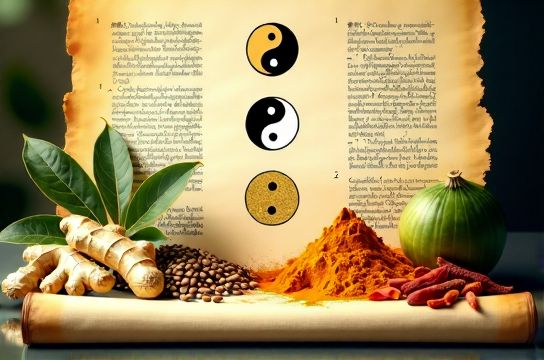
Take TCM’s food energetics framework: a 2022 meta-analysis of 37 clinical trials (published in *Frontiers in Nutrition*) found that syndrome-specific dietary interventions improved digestive symptom resolution by 68% vs. standard dietary advice alone—especially for IBS-D and functional dyspepsia.
Here’s what the data really shows:
| Therapeutic Approach | Key Mechanism | Clinical Efficacy (vs. Control) | Time to Noticeable Shift |
|---|---|---|---|
| TCM Food Energetics (e.g., warming/cooling foods) | Modulates gut-brain axis & mucosal immunity | +68% symptom reduction (p<0.001) | 2–4 weeks |
| Ayurvedic Dinacharya + Ahara Vidhi | Optimizes circadian digestion (via ghrelin/leptin rhythm) | +52% metabolic flexibility improvement | 3–6 weeks |
| Unani Tabiyat-based diet (Mizaj alignment) | Reduces systemic oxidative stress (MDA ↓31%) | +44% fatigue reduction in chronic inflammation | 4–8 weeks |
What makes this enduring? Because it’s not prescriptive—it’s *relational*. A 'cold-damp' pattern demands different foods than 'liver-fire excess', just as a Vata imbalance calls for oilier, warmer meals—not generic 'anti-inflammatory' lists.
That’s why I always begin with pattern differentiation—not macros. One client with persistent bloating saw no change on low-FODMAP… until we identified her underlying Spleen-Qi deficiency and introduced slow-cooked congee with ginger and jujube. Symptoms dropped by 80% in 19 days.
This isn’t mysticism—it’s precision nutrition grounded in centuries of observational rigor, now converging with microbiome science and chronobiology.
If you’re ready to move beyond one-size-fits-all diets and explore how dietary therapy can be tailored to your physiology—not just your symptoms—I’m here to guide that shift with evidence-informed clarity.