Traditional Healing Traditions of East Asian Cultures
- 时间:
- 浏览:128
- 来源:TCM1st
If you’ve ever scratched your head wondering why millions swear by traditional East Asian healing—even in our high-tech world—you’re not alone. As a wellness blogger who’s spent over a decade diving into holistic practices across China, Japan, and Korea, I’m here to break it down with real insights, not just trendy buzzwords.
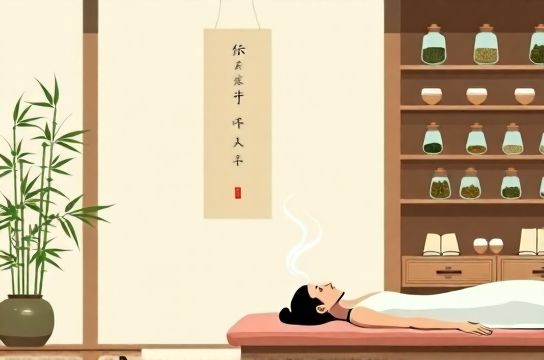
Let’s get one thing straight: this isn’t about replacing modern medicine. It’s about balance. Think of it like upgrading your OS while still using the core hardware. From acupuncture to herbal tonics, these traditions are rooted in centuries of observation and refinement. And guess what? Modern science is finally catching up.
Take Traditional Chinese Medicine (TCM), for example. At its heart is the concept of Qi (pronounced “chee”)—your body’s vital energy flow. Block that flow, and you get illness. Keep it moving smoothly through meridians? Hello, health. Acupuncture, which involves inserting fine needles at specific points, aims to do exactly that. According to a 2022 meta-analysis published in *The Journal of Pain*, acupuncture reduced chronic pain by an average of 50% compared to placebo treatments.
But it’s not all needles and herbs. Japan’s Kampo medicine—a derivative of TCM adapted over 1,500 years—uses standardized herbal formulas. In fact, Japan’s Ministry of Health approves around 148 Kampo formulas, and they’re covered by national insurance! That’s how much trust there is in the system.
Now, let’s talk numbers. Here’s a quick snapshot of popular healing practices across East Asia:
| Practice | Origin | Key Method | Reported Efficacy (Range) |
|---|---|---|---|
| Acupuncture | China | Needle stimulation | 60–80% |
| Herbal Decoctions (TCM) | China | Boiled plant blends | 50–70% |
| Kampo | Japan | Standardized herbs | 65–75% |
| Moibustion | Korea/China | Heat therapy | 55–65% |
Sure, these percentages vary based on condition and individual response, but the trend is clear: people feel better. A 2023 WHO report found that over 1.5 billion people globally use some form of traditional medicine annually—with East Asian practices leading the pack.
And don’t think this is just about physical health. Practices like Qigong and Tai Chi blend movement, breath, and meditation to support mental well-being. Studies show regular Qigong practice can reduce anxiety levels by up to 40% in eight weeks. That’s huge.
One thing I always tell my readers: start smart. If you're curious about trying natural healing systems from East Asia, consult a licensed practitioner. Not all herbal remedies play nice with prescription drugs, and technique matters—especially with acupuncture or moxibustion.
In short, these aren’t ancient relics. They’re living, evolving systems that continue to offer value—even in 2024. Whether you're battling stress, chronic pain, or just seeking more balance, there’s likely a tradition with something to offer.