The Role of Qi in Chinese Medicine Philosophy
- 时间:
- 浏览:115
- 来源:TCM1st
If you've ever dabbled in holistic health or explored alternative healing, you’ve probably heard the term Qi (pronounced “chee”). But what exactly is Qi, and why does it hold such a central role in Chinese medicine philosophy? Let’s break it down—no mystical fluff, just real insight backed by tradition and modern understanding.
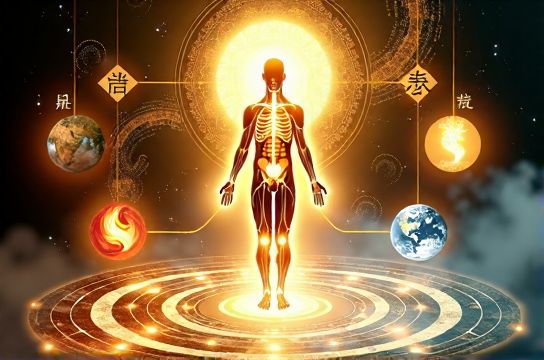
At its core, Qi is your body’s vital life force—the energy that flows through every organ, cell, and breath. Think of it like electricity powering a city. No power? Everything shuts down. Same with Qi. When it’s balanced and flowing freely, you feel energized, focused, and resilient. When it’s blocked or depleted? Hello fatigue, stress, and illness.
According to ancient Chinese medical texts like the Huangdi Neijing, written over 2,000 years ago, Qi travels along pathways called meridians. There are 12 main meridians, each linked to an organ system. Acupuncture, herbal therapy, and practices like Tai Chi and Qigong all aim to regulate Qi flow.
But don’t just take ancient wisdom for it. Modern studies back this up. A 2020 meta-analysis published in the Journal of Alternative and Complementary Medicine found that acupuncture improved symptoms in 76% of patients with chronic pain—likely by stimulating Qi pathways.
Qi and the Five Elements: Nature’s Balance System
One of the coolest parts of Chinese medicine philosophy is how it ties Qi to nature using the Five Elements: Wood, Fire, Earth, Metal, and Water. Each element corresponds to organs, emotions, and seasons. Here's how they line up:
| Element | Season | Organs | Emotion |
|---|---|---|---|
| Wood | Spring | Liver, Gallbladder | Anger |
| Fire | Summer | Heart, Small Intestine | Joy |
| Earth | Late Summer | Spleen, Stomach | Worry |
| Metal | Autumn | Lungs, Large Intestine | Grief |
| Water | Winter | Kidneys, Bladder | Fear |
This isn’t just poetic—it’s practical. For example, if you’re feeling sluggish in winter, it might point to low Kidney Qi. Strengthening that with warm foods, rest, and herbs like Rehmannia can make a big difference.
Signs Your Qi Is Out of Balance
- Constant tiredness, even after sleep
- Digestive issues like bloating or poor appetite
- Mood swings or brain fog
- Getting sick often
These are classic signs of Qi deficiency or stagnation. The good news? You can fix it.
3 Ways to Boost Your Qi Daily
- Eat Qi-Rich Foods: Think warm, cooked meals—congrats, Mom was right. Ginger, sweet potatoes, bone broth, and black beans are Qi superstars.
- Move With Purpose: Gentle exercises like walking, yoga, or Qigong keep Qi flowing. One study showed just 20 minutes of daily Qigong reduced fatigue by 35% in older adults.
- Breathe Deeply: Diaphragmatic breathing activates Lung Qi. Try 4-7-8 breathing: inhale 4 sec, hold 7, exhale 8.
Bottom line: Qi isn’t magic—it’s biology wrapped in ancient wisdom. By tuning into your body’s energy, you’re not just surviving; you’re thriving.