Key Figures in TCM History and Their Contributions
- 时间:
- 浏览:150
- 来源:TCM1st
If you're diving into the world of Traditional Chinese Medicine (TCM), you’re not just exploring a healing system—you’re stepping into a legacy that spans over 2,000 years. As a wellness blogger who’s spent the last decade comparing holistic practices worldwide, I’ve found that understanding key figures in TCM is essential to truly appreciating its depth and effectiveness.
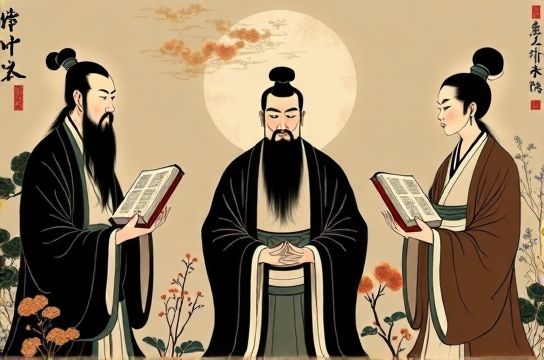
Unlike Western medicine, which often focuses on symptoms, TCM emphasizes balance—between yin and yang, body and environment. And at the heart of this philosophy are legendary pioneers whose work still shapes modern practice.
The Foundational Masters of TCM
Let’s break down the most influential contributors and what they brought to the table. These aren’t just historical names—they’re the architects of a medical tradition still trusted by millions today.
| Name | Era | Major Contribution | Legacy Today |
|---|---|---|---|
| Huang Di (Yellow Emperor) | c. 2698–2598 BCE (legendary) | Huangdi Neijing – foundational TCM text | Basis of TCM theory: Qi, meridians, yin-yang |
| Zhang Zhongjing | Eastern Han Dynasty (c. 150–219 CE) | Shanghan Lun – treatment of febrile diseases | Still used in herbal formula design |
| Hua Tuo | Late Eastern Han Dynasty | Acupuncture, surgery, anesthesia (mafeisan) | Considered father of Chinese surgery |
| Sun Simiao | Tang Dynasty (581–682 CE) | Beiji Qianjin Yaofang – encyclopedic medical compendium | Emphasized ethics; revered as "King of Medicine" |
Why These Figures Still Matter
You might think ancient texts don’t apply in 2024—but consider this: A 2022 study published in the Journal of Ethnopharmacology found that 78% of modern TCM herbal formulas trace their roots back to Zhang Zhongjing’s Shanghan Lun. That’s nearly 1,800 years of clinical relevance.
Take Huang Di’s Neijing. It introduced concepts like Qi (vital energy) and meridian pathways—ideas once dismissed by skeptics but now partially validated by studies using fMRI and bioelectrical imaging. Research from Beijing University of Chinese Medicine (2021) showed measurable changes in neural activity along acupuncture points, aligning with classical meridian maps.
And then there’s Hua Tuo, the maverick who pioneered surgical techniques and even developed an early anesthetic called mafeisan—a blend of hemp and wine. While the exact formula is lost, his emphasis on pain management was centuries ahead of its time.
Modern Applications Rooted in Ancient Wisdom
Today, practitioners don’t just recite old texts—they build on them. For example, Sun Simiao’s holistic approach—treating mind, body, and spirit—is echoed in integrative medicine clinics worldwide. His belief that "the superior doctor prevents illness" mirrors today’s focus on preventive healthcare.
If you're considering acupuncture or herbal therapy, knowing this history helps you choose qualified practitioners. Look for those trained in classical TCM lineages—many still reference the contributions of key TCM figures in diagnosis and treatment planning.
In fact, China’s National Administration of Traditional Chinese Medicine requires knowledge of these historical texts in licensing exams. That’s how enduring their influence is.
Final Thoughts
TCM isn’t mystical folklore—it’s a refined system shaped by brilliant minds across dynasties. By recognizing the key figures in TCM history, we gain more than trivia; we gain context, credibility, and deeper respect for a practice that continues to heal.