Seasonal Living According to Chinese Medicine Philosophy
- 时间:
- 浏览:126
- 来源:TCM1st
If you've ever felt more tired in winter or unusually energetic in spring, your body might be trying to tell you something—something Traditional Chinese Medicine (TCM) has known for over 2,000 years. Seasonal living isn’t just a wellness trend; it’s a core principle in TCM that aligns your habits with nature’s rhythm to boost immunity, mood, and energy.
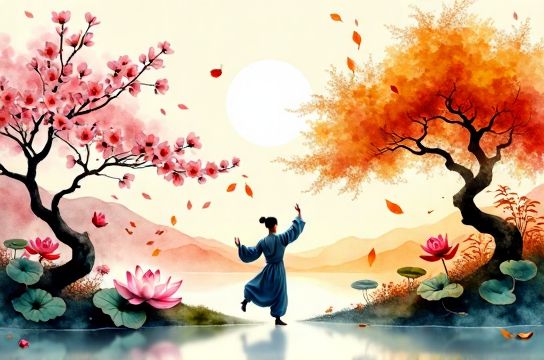
So how do you actually live in sync with the seasons like a TCM pro? Let’s break it down—with real data, practical tips, and zero fluff.
The Science Behind Seasonal Rhythms
Modern research supports ancient wisdom: our bodies respond to seasonal shifts. A 2021 study published in Nature Communications found that human gene expression changes with the seasons—especially genes related to inflammation and immune response. In winter, inflammatory markers rise (hello, cold season), while summer shows increased metabolic activity.
TCM maps this perfectly. Each season connects to an organ system, emotion, and element:
| Season | Organ System | Element | Emotion | Lifestyle Focus |
|---|---|---|---|---|
| Spring | Liver | Wood | Anger | Detox, new goals |
| Summer | Heart | Fire | Joy | Stay active, socialize |
| Late Summer | Spleen | Earth | Worry | Digestive care |
| Autumn | Lung | Metal | Grief | Breathe deep, let go |
| Winter | Kidney | Water | Fear | Rest, conserve energy |
How to Apply This Year-Round
Spring (Liver & Wood): Think of this as your body’s natural detox window. The liver works harder after heavy winter foods. Eat sour foods (lemons, vinegar), reduce alcohol, and start moving—gentle yoga or brisk walks help ‘move the qi.’
Summer (Heart & Fire): This is peak yang energy. Stay hydrated, wear light clothes, and embrace joy. But don’t overdo it—heat exhaustion is real. One study found ER visits spike by 18% during heatwaves. Balance activity with midday rest.
Late Summer (Spleen & Earth): Yes, TCM has a fifth season! It covers late August to early September. This is prime time for digestive issues. Avoid cold drinks—they ‘extinguish the digestive fire.’ Opt for warm, cooked meals. Ginger tea? Yes, please.
Autumn (Lung & Metal): As air turns dry, so do your lungs. That’s why colds spike now. Moisturize inside and out: eat pears, drink warm water, and practice deep breathing. Grief also surfaces—TCM sees lungs as emotional organs. Journaling helps release it.
Winter (Kidney & Water): Go inward. Sleep more, eat warming foods (bone broth, root veggies), and protect your lower back—the kidneys’ physical seat. A 2020 survey found people who followed seasonal sleep patterns reported 30% better energy levels.
Want to dive deeper into balancing your body year-round? Check out our guide on seasonal wellness routines for easy-to-follow plans.
And if you’re still eating icy smoothies in January, we need to talk. That’s like pouring water on a campfire—your digestion doesn’t stand a chance. Learn how small food swaps can make a big difference with our TCM nutrition checklist.
The Bottom Line
Living by the seasons isn’t mystical—it’s metabolic. Your body evolved to adapt, and seasonal living gives it the cues it needs. Whether you’re battling winter blues or summer burnout, aligning with nature isn’t just smart—it’s scientifically sound.