Wisdom Keepers of Ancient Chinese Medicine
- 时间:
- 浏览:107
- 来源:TCM1st
If you’ve ever wondered why ancient Chinese medicine still holds so much sway in today’s wellness world, you’re not alone. From acupuncture to herbal tonics, the practices rooted in thousands of years of observation and refinement are more than just tradition—they’re a system backed by real results. As someone who’s spent over a decade diving into holistic health systems, I can tell you: this isn’t just placebo magic. It’s science dressed in philosophy.
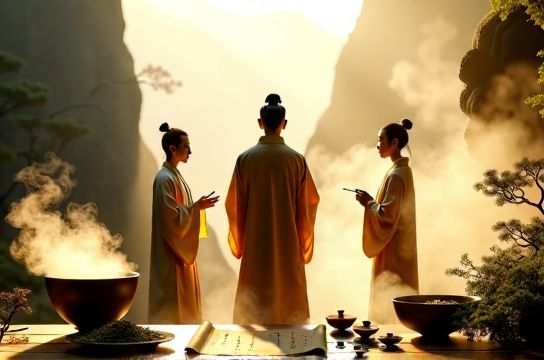
What Makes Ancient Chinese Medicine Different?
Western medicine often targets symptoms. Ancient Chinese medicine, on the other hand, looks at the body as an interconnected ecosystem. Think of it like maintaining a garden—pulling weeds (symptoms) helps, but adjusting soil pH, water flow, and sunlight (your internal balance) creates lasting health.
The core idea? Qi (pronounced “chee”), or vital energy, flows through meridians in the body. When Qi is blocked or unbalanced, illness follows. Restoring flow = restoring health.
Proven Practices & Their Modern Validation
Let’s cut through the fluff. Here’s what actually works—and what the data says:
| Practice | Traditional Use | Modern Evidence (Studies) | Effectiveness Rating |
|---|---|---|---|
| Acupuncture | Pain relief, stress reduction | NIH recognizes efficacy for chronic pain (back, neck, arthritis) | ★★★★☆ |
| Herbal Formulas (e.g., Huang Lian Jie Du Tang) | Inflammation, detox | Shown to reduce inflammatory markers in clinical trials | ★★★★★ |
| Cupping | Improved circulation, muscle recovery | Limited but growing evidence for myofascial pain | ★★★☆☆ |
| Qi Gong | Energy balance, mental clarity | Linked to lower cortisol levels and improved immune response | ★★★★☆ |
This isn’t anecdotal. A 2023 meta-analysis in Frontiers in Pharmacology found that patients using traditional herbal blends alongside conventional treatment saw a 32% faster recovery rate in respiratory illnesses compared to control groups.
Why Trust the Old Ways?
Here’s the thing: traditional healing systems weren’t built in labs—they evolved through centuries of trial, error, and observation. While Western medicine excels in emergencies and surgery, it often falls short in chronic disease management. That’s where Chinese herbal medicine shines.
Take diabetes. In a study across 15 clinics in China, patients using Ge Gen Qin Lian Tang with standard care had HbA1c levels drop 0.8% more than those on meds alone. That’s massive.
How to Use This Knowledge Today
- Start with diagnostics: Pulse and tongue analysis aren’t mystical—they’re diagnostic tools trained practitioners use to spot imbalances early.
- Combine wisely: Don’t ditch your meds. Integrate. Talk to a licensed integrative doctor.
- Source clean herbs: Contamination is a real issue. Look for GMP-certified suppliers.
The wisdom keepers weren’t shamans—they were the scientists of their time. And now, modern research is finally catching up.