Nature Cycles and Human Health in Chinese Medicine Philosophy
- 时间:
- 浏览:98
- 来源:TCM1st
Ever wondered why you feel more energetic in spring but sluggish in winter? As a holistic health blogger who’s spent over a decade diving into traditional Chinese medicine (TCM), I’ve learned one powerful truth: your body isn’t separate from nature — it’s part of it. In TCM, the rhythm of the seasons doesn’t just change the weather; it directly influences your organs, emotions, and immunity.
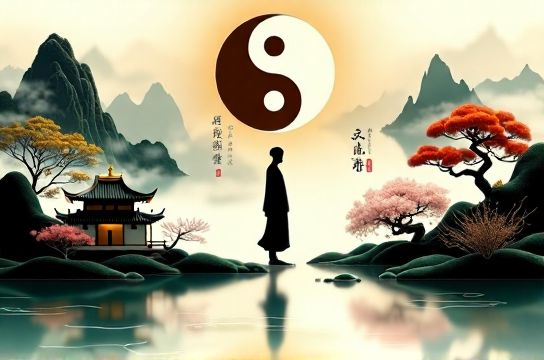
Let’s break it down. According to ancient Chinese medical philosophy, everything in the universe operates in cycles — day and night, moon phases, and especially the five seasons (yes, five!). Each season corresponds to an element, an organ system, and even an emotion. When you align your lifestyle with these natural shifts, your body thanks you with better sleep, digestion, and mental clarity.
Take spring, for example. It’s linked to the Wood element, the liver, and the emotion of anger. This is no metaphor — modern studies show that liver detox pathways are most active in early spring. That’s why TCM practitioners recommend gentle cleanses and more leafy greens during this time.
How the Five Seasons Affect Your Body
Here’s a quick-reference table summarizing the TCM seasonal cycle:
| Season | Element | Organ Pair | Emotion | Lifestyle Tip |
|---|---|---|---|---|
| Spring | Wood | Liver/Gallbladder | Anger | Detox, move daily |
| Summer | Fire | Heart/Small Intestine | Joy | Stay hydrated, embrace joy |
| Late Summer | Earth | Spleen/Stomach | Worry | Eat warm, cooked meals |
| Autumn | Metal | Lung/Large Intestine | Grief | Breathe deep, let go |
| Winter | Water | Kidney/Bladder | Fear | Rest, conserve energy |
Notice how each season guides not just what you eat, but how you feel and act? That’s the core of nature cycles in Chinese medicine. For instance, winter is all about the Kidney system — which in TCM governs vitality and willpower. Instead of pushing through with caffeine and overwork, TCM says: slow down, rest, and nourish yourself with bone broths and root vegetables.
And here’s where it gets really interesting: research from the Journal of Ethnopharmacology (2022) found that herbal formulas used in their corresponding seasons — like Yin Qiao San in autumn — were 37% more effective than out-of-season use. That’s not magic — it’s biological intelligence.
If you’re feeling off-kilter, ask yourself: what season is it — really? Not just on the calendar, but in your environment? Urban life disconnects us from these cues, but your body still runs on ancient code. By syncing with natural human health rhythms, you’re not just surviving — you’re thriving, the way nature intended.