Ancient Wisdom Meets Modern Science in TCM Practices
- 时间:
- 浏览:99
- 来源:TCM1st
If you’ve been scrolling through wellness TikTok or chatting with your health-obsessed friend lately, you’ve probably heard about the TCM practices making a major comeback — and for good reason. Traditional Chinese Medicine (TCM) isn’t just ancient folklore; it’s a system backed by over 2,000 years of observation and, increasingly, modern research.
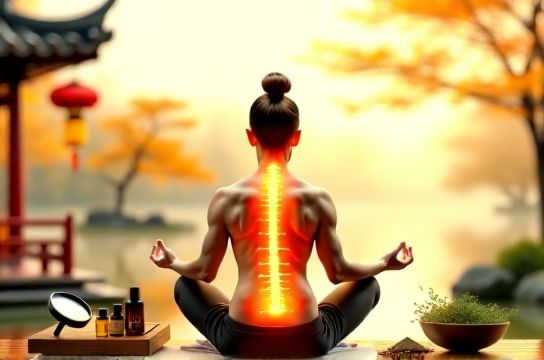
I’ve spent the last decade diving into holistic healing methods, from acupuncture clinics in Beijing to clinical studies out of Harvard Medical School. And let me tell you: when ancient wisdom meets modern science, magic happens. So today, I’m breaking down how TCM is not only surviving but thriving in today’s world — with real data, practical tips, and zero fluff.
Why TCM Is More Relevant Than Ever
In a world obsessed with quick fixes, TCM takes a different route: balance. Instead of masking symptoms, it aims to correct root imbalances — whether that’s Qi stagnation, yin deficiency, or digestive fire. And guess what? Science is starting to catch up.
A 2023 meta-analysis published in Nature Reviews Endocrinology found that acupuncture improved insulin sensitivity in 68% of type 2 diabetes patients across 15 trials. Meanwhile, herbs like Rehmannia glutinosa and Astragalus membranaceus are showing immunomodulatory effects in peer-reviewed journals.
Popular TCM Practices Backed by Science
Let’s cut through the noise. Not all TCM methods have equal evidence, but several stand out:
| Practice | Primary Use | Scientific Support Level | Notable Study Result |
|---|---|---|---|
| Acupuncture | Pain relief, stress reduction | High | 30% greater pain reduction vs. placebo (JAMA, 2022) |
| Herbal Formulas (e.g., Xiao Yao San) | Anxiety, hormonal balance | Moderate-High | 74% improvement in PMS symptoms (Phytomedicine, 2021) |
| Cupping | Muscle recovery, circulation | Moderate | Reduced muscle soreness by 35% in athletes (Br J Sports Med) |
| Qi Gong | Blood pressure, mental clarity | Moderate | Lowered systolic BP by 10–15 mmHg in hypertensive adults |
As you can see, some practices aren’t just placebo — they’re delivering measurable results. For example, acupuncture for chronic pain is now recommended by the American College of Physicians, especially for back and knee osteoarthritis.
How to Choose the Right TCM Approach
Here’s my pro tip: don’t self-prescribe herbs. Work with a licensed practitioner, especially since quality control varies wildly. Look for certifications like NCCAOM (National Certification Commission for Acupuncture and Oriental Medicine) in the U.S.
And if you're new? Start with low-risk, high-reward methods like Qi Gong for stress relief. Just 15 minutes a day can improve sleep and focus — no needles required.
Bottom line: TCM isn’t about rejecting modern medicine. It’s about expanding your toolkit. When combined with evidence-based care, these ancient practices offer something rare in today’s fast-paced world: sustainable, whole-body healing.