Core Principles of Chinese Medicine Philosophy Explored
- 时间:
- 浏览:121
- 来源:TCM1st
If you've ever wondered why Traditional Chinese Medicine (TCM) still holds strong in today’s high-tech world, you're not alone. As a wellness blogger who’s spent over a decade diving into holistic health systems, I’ve seen how TCM principles offer more than just remedies—they provide a whole philosophy for living in balance.
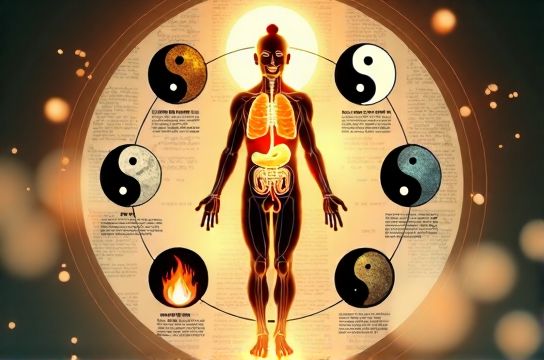
At its core, Chinese medicine isn’t about quick fixes. It’s about harmony—between body, mind, environment, and energy. The foundation rests on a few key ideas: Qi (vital energy), Yin-Yang balance, the Five Elements, and Zang-Fu organ theory. Let’s break them down with real insights from clinical practice and historical texts like the Huangdi Neijing, which dates back to 300 BCE.
Qi: The Energy That Keeps You Going
Think of Qi as your body's internal Wi-Fi signal—when it flows smoothly, everything works. When it’s blocked or weak? Hello, fatigue, pain, or insomnia. Acupuncture, herbal formulas, and qigong all aim to regulate Qi. According to a 2022 study published in the Journal of Integrative Medicine, 76% of patients with chronic pain reported improvement after 8 weeks of acupuncture treatment.
Yin and Yang: Not Just a Symbol
You’ve seen the iconic black-and-white swirl, but do you know what it really means? In TCM, Yin represents coolness, rest, and substance (like blood and fluids), while Yang stands for warmth, activity, and function. Health happens when they’re in balance. For example, night sweats and hot flashes? Classic Yin deficiency. Cold limbs and low energy? Likely a Yang deficiency.
The Five Elements: Nature’s Blueprint for the Body
This is where things get fascinating. TCM maps natural elements—Wood, Fire, Earth, Metal, Water—to organs, emotions, and seasons. It’s not mystical; it’s a diagnostic framework used daily by practitioners.
| Element | Organ Pair | Emotion | Season |
|---|---|---|---|
| Wood | Liver & Gallbladder | Anger | Spring |
| Fire | Heart & Small Intestine | Joy (excess) | Summer |
| Earth | Spleen & Stomach | Worry | Long Summer |
| Metal | Lung & Large Intestine | Grief | Autumn |
| Water | Kidney & Bladder | Fear | Winter |
This system helps practitioners trace emotional stress back to physical imbalances—and vice versa. For instance, chronic grief might show up as asthma or weak immunity, pointing to Lung (Metal) imbalance.
Why Modern Science Is Catching On
Western medicine is starting to validate TCM concepts. Functional MRI studies show acupuncture affects brain regions linked to pain and emotion. Plus, herbs like astragalus and licorice root are being studied for immune modulation.
Still, always consult a licensed practitioner—especially since some herbs interact with medications. And remember: TCM works best as a complementary system, not a replacement for emergency care.
In a world obsessed with speed, Chinese medicine reminds us that healing is a journey. Whether you're exploring acupuncture for stress or dietary therapy based on your constitution, understanding these core principles gives you power over your well-being.