Influence of Daoism on Chinese Medicine Philosophy
- 时间:
- 浏览:104
- 来源:TCM1st
If you’ve ever wondered why Traditional Chinese Medicine (TCM) feels so different from Western medicine, the answer often traces back to one ancient philosophy: Daoism. As a long-time health and wellness blogger who’s studied integrative healing systems, I can tell you—Daoism isn’t just a spiritual backdrop; it’s the very DNA of TCM.
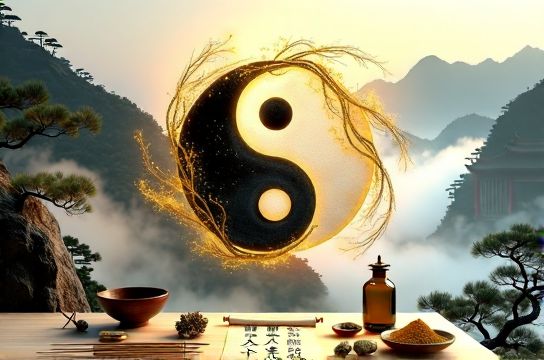
While modern medicine focuses on fixing symptoms, TCM takes a step back. It asks: How is this person out of balance? That holistic mindset? Straight from Daoist principles. The idea that humans are microcosms of nature, governed by the same rhythms as seasons, rivers, and stars—it’s poetic, yes, but also deeply practical in healing.
The Core Link: Harmony Over Cure
Diseases in TCM aren’t seen as invaders to attack, but signals of disharmony. This aligns perfectly with the Daoist concept of Wu Wei—effortless action. Instead of aggressive treatments, TCM aims to support the body’s natural ability to rebalance. Think acupuncture, herbal tonics, and qigong—all designed to restore flow rather than fight fire with fire.
Yin-Yang and the Five Elements: More Than Symbols
You’ve probably seen the yin-yang symbol everywhere—from tattoos to tea labels. But in TCM, it’s a dynamic diagnostic tool. Organs, emotions, even foods are classified by their yin or yang nature. When one dominates, illness follows.
Similarly, the Five Elements (Wood, Fire, Earth, Metal, Water) map how energy moves through the body. A liver (Wood) imbalance might 'over-control' the spleen (Earth)—a concept known as the controlling cycle.
Here’s how these philosophies translate into practice:
| Daoist Principle | TCM Application | Real-World Example |
|---|---|---|
| Yin-Yang Balance | Diagnosing hot vs. cold conditions | A patient with night sweats (yin deficiency) gets cooling herbs like Rehmannia |
| Qi (Vital Energy) | Acupuncture meridian theory | Needles at Liver 3 point to move stagnant qi causing PMS |
| Five Elements | Emotional-organ connections | Chronic anger → liver dysfunction → headaches |
| Wu Wei (Non-Action) | Preventive care & lifestyle | Seasonal diets instead of reactive medication |
This table isn’t just theory—it’s used daily in clinics across China and integrative practices worldwide. According to a 2022 WHO report, over 1.5 billion people have accessed TCM services globally, many drawn by its preventive, whole-body approach rooted in Daoist wisdom.
Why This Matters Today
In an age of burnout and chronic stress, Daoism’s influence makes TCM more relevant than ever. It teaches us that healing isn’t about quick fixes, but aligning with natural cycles—sleeping when it’s dark, eating seasonally, moving energy through gentle exercise.
So next time you try acupuncture or sip goji berry tea, remember: you’re not just using remedies. You’re engaging with a 2,500-year-old philosophy that sees health as harmony, and medicine as a path back to balance.