How Ancient Texts Reveal Deep Insights Into TCM History
- 时间:
- 浏览:149
- 来源:TCM1st
Ever wondered how Traditional Chinese Medicine (TCM) became such a powerhouse in holistic health? Spoiler: it’s all in the ancient texts. If you're into natural healing or just curious about Eastern medicine, diving into these old-school manuscripts is like unlocking a secret wellness vault.
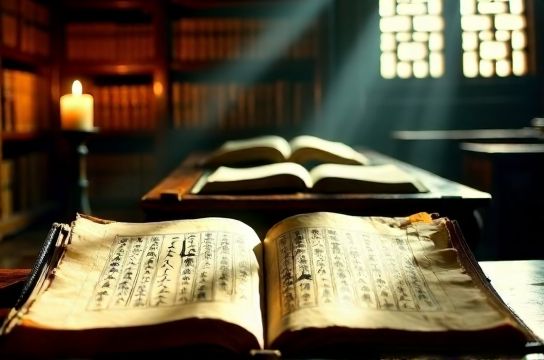
I’ve spent years geeking out over scrolls like the Huangdi Neijing and Shanghan Lun, and trust me — they’re not just dusty relics. They’re living blueprints that still shape modern TCM practices today.
Why Ancient TCM Texts Still Matter
Let’s get real — most medical systems evolve so fast that anything older than 20 years gets tossed. But TCM? It respects its roots. The Huangdi Neijing (Yellow Emperor’s Inner Canon), written around 100 BCE, is STILL taught in TCM universities. That’s over 2,000 years of relevance. Mind = blown.
These texts don’t just talk about herbs. They lay down entire philosophies — yin-yang balance, the five elements, qi flow — that form the backbone of diagnosis and treatment.
Key Ancient Texts & Their Modern Impact
Here’s a quick breakdown of the heavy hitters:
| Text | Year | Key Contribution | Still Used Today? |
|---|---|---|---|
| Huangdi Neijing | c. 100 BCE | Foundation of TCM theory, acupuncture principles | Yes — core curriculum |
| Shanghan Lun | c. 220 CE | Pioneered pattern diagnosis for cold-induced diseases | Yes — especially in herbal formulas |
| Bencao Gangmu | 1596 CE | Comprehensive Materia Medica (1,892 substances!) | Yes — reference for herbalists |
See that? The Bencao Gangmu listed 1,892 medicinal substances. For comparison, the average Western pharmacopeia lists around 300–500. That’s depth.
What Modern Science Says
Skeptical? Fair. But check this: A 2021 study in Frontiers in Pharmacology found that 70% of commonly used TCM herbs today were first documented in these ancient texts. Even cooler? Researchers traced modern formulas like Xiao Chai Hu Tang directly back to the Shanghan Lun — and clinical trials show it works for chronic hepatitis B.
That’s not coincidence. That’s centuries of refined knowledge.
How to Use This Knowledge
You don’t need a PhD to benefit. Start by exploring translations of the Huangdi Neijing — look for editions with commentary. Or consult a licensed TCM practitioner who actually references classical texts (yes, they exist).
And if you're researching a specific herb or condition? Cross-check it with the Bencao Gangmu. You’ll often find dosage tips and contraindications that modern guides skip.
Final Thoughts
The past isn’t just prologue in TCM — it’s the playbook. These ancient texts aren’t museum pieces. They’re dynamic, tested, and surprisingly relevant. Whether you're a skeptic, a student, or someone seeking alternatives, understanding them gives you serious insight into why Traditional Chinese Medicine has stood the test of time — literally.