Historical Milestones in the Development of TCM Healing
- 时间:
- 浏览:99
- 来源:TCM1st
If you're diving into the world of natural healing, you've probably heard about Traditional Chinese Medicine (TCM). But did you know that TCM isn’t just ancient wisdom—it’s a constantly evolving system backed by centuries of observation and practice? As someone who’s spent years comparing holistic health systems, I’m breaking down the key historical milestones that shaped TCM into what it is today.
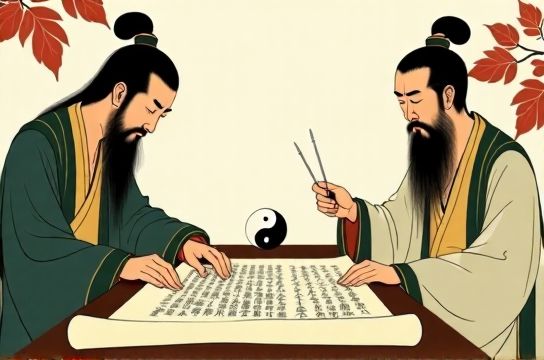
Let’s start with the basics: TCM healing dates back over 2,000 years. But its roots go even deeper. The earliest records appear in the Huangdi Neijing (The Yellow Emperor’s Inner Canon), compiled around 100 BCE. This text laid the foundation for concepts like Qi (vital energy), Yin-Yang balance, and the Five Elements—all still central to TCM practices today.
Fast forward to the Han Dynasty (206 BCE–220 CE), and we see the rise of herbal medicine. Zhang Zhongjing’s Shanghan Lun became one of the first clinical guides, detailing treatments for fevers using herbal formulas—many still used now, like Ma Huang Tang.
Key Developments in TCM History
To help you visualize how TCM evolved, here’s a timeline of major breakthroughs:
| Period | Milestone | Contribution |
|---|---|---|
| Warring States (475–221 BCE) | Early acupuncture tools | Bian stones used for draining abscesses and stimulating points |
| Han Dynasty (206 BCE–220 CE) | Huangdi Neijing published | Systematized diagnosis, pulse reading, and meridian theory |
| Tang Dynasty (618–907 CE) | First pharmacopoeia: Xinxiu Bencao | Officially cataloged 850+ medicinal substances |
| Ming Dynasty (1368–1644) | Li Shizhen publishes Compendium of Materia Medica | Detailed 1,892 herbs, corrected past errors, influenced global botany |
| 20th Century | TCM institutionalization in China | Government-backed hospitals, universities, and research centers established |
One standout moment? Li Shizhen’s Compendium wasn’t just a local success—it reached Europe by the 17th century and impacted Western herbal studies. Talk about global influence!
In the modern era, TCM gained international recognition when acupuncture was endorsed by the WHO in 1979 for treating conditions like chronic pain and nausea. Fast forward to 2019, and TCM officially entered the WHO’s International Classification of Diseases (ICD-11)—a huge win for legitimacy.
But here’s the real tea: while some skeptics question TCM’s scientific basis, studies show growing support. For example, a 2021 meta-analysis in Frontiers in Pharmacology found that herbal formulas like Lianhua Qingwen significantly reduced recovery time in respiratory infections.
So, whether you’re exploring acupuncture, herbal blends, or Qi Gong, understanding TCM’s rich history helps you make smarter, more informed choices. It’s not just tradition—it’s time-tested science.