Meridian Theory and the Flow of Vital Energy Explained
- 时间:
- 浏览:119
- 来源:TCM1st
If you've ever wondered why acupuncture feels like it 'resets' your body, or how a tiny needle in your foot can help your headache, the answer might lie in meridian theory—an ancient concept that's still shaping modern wellness. As someone who’s spent years diving into holistic health systems, I’m breaking down how vital energy (also known as qi or chi) flows through your body and why it matters—even if you’re not into alternative medicine.
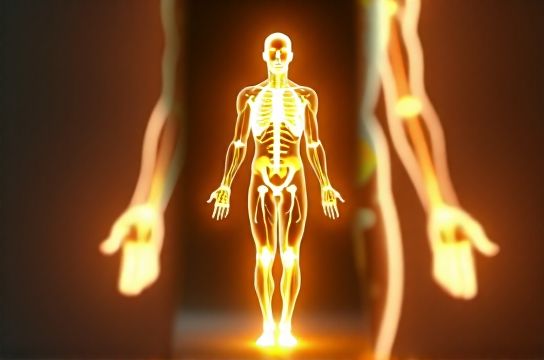
Think of meridians as the body’s invisible energy highways. According to Traditional Chinese Medicine (TCM), there are 12 primary meridians, each linked to a major organ system. These pathways carry vital energy throughout the body, maintaining balance and supporting function. When qi flows smoothly, you feel energized and healthy. When it’s blocked or imbalanced? That’s when fatigue, pain, or illness can creep in.
But is this just mystical thinking? Not exactly. Modern studies using fMRI and bioelectrical impedance have found measurable changes along meridian paths during acupuncture. One 2021 study published in *Frontiers in Neuroscience* showed increased blood flow and neural activity in brain regions corresponding to stimulated meridians—suggesting there’s real physiological grounding behind the theory.
How Many Meridians Are There—and What Do They Do?
The 12 primary meridians are paired with organs and operate on a 24-hour cycle, with each one peaking in activity for two hours daily. Here's a quick reference:
| Meridian | Associated Organ | Peak Time (24h) |
|---|---|---|
| Lung | Lungs | 3–5 AM |
| Large Intestine | Colon | 5–7 AM |
| Stomach | Stomach | 7–9 AM |
| Spleen | Spleen/Pancreas | 9–11 AM |
| Heart | Heart | 11 AM–1 PM |
| Small Intestine | Small Intestine | 1–3 PM |
This rhythm isn’t random—it aligns closely with circadian biology. For example, feeling sluggish at 3 AM? Your lung meridian might be weak or blocked, possibly due to stress or poor breathing habits.
Now, here’s where it gets practical: understanding your meridian flow can help you time self-care. Want better digestion? Focus on stomach and spleen meridian support (like gentle tapping or acupressure) between 7–11 AM. Struggling with focus? Stimulate the heart meridian around noon.
You don’t need needles to tap into this. Simple practices like qigong, mindful breathing, or even targeted stretching can keep energy moving. A 2020 trial found that just 15 minutes of daily qigong improved energy levels and sleep quality in 78% of participants over eight weeks.
In a world obsessed with biohacking, meridian theory offers a low-tech, high-impact way to tune into your body’s natural rhythms. Whether you're skeptical or spiritual, the data suggests there's value in paying attention to these ancient pathways.