Zang Fu Organ Theory and Functional Energetics in TCM
- 时间:
- 浏览:92
- 来源:TCM1st
If you're diving into Traditional Chinese Medicine (TCM), one concept you can't afford to skip is Zang Fu organ theory. Forget Western anatomy for a sec—this isn’t about physical organs like your biology textbook. Instead, it’s about functional energetics: how energy flows, transforms, and keeps your body in balance. Think of it as the operating system of your body, powered by Qi.
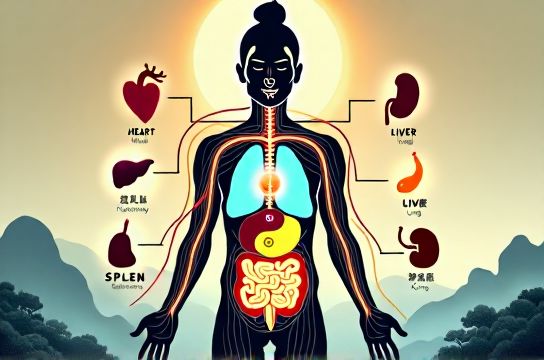
The Zang organs—Heart, Liver, Spleen, Lung, Kidney, and Pericardium—are considered yin: they store vital substances. The Fu organs—Small Intestine, Gallbladder, Stomach, Large Intestine, Bladder, and San Jiao—are yang: they handle digestion, transmission, and excretion. But here’s the kicker—they’re not just physical. Each Zang Fu organ governs emotions, sensory functions, and even your mental clarity.
Take the Liver, for example. In TCM, it’s not just about detoxing. It ensures smooth flow of Qi and blood. When it’s out of whack? Hello, irritability, PMS, and migraines. Or the Spleen—not the immune organ you know, but the digestive powerhouse that transforms food into usable energy. Weak Spleen Qi? Bloating, fatigue, brain fog.
To make things clearer, here’s a breakdown of key Zang organs and their roles:
| Organ | Primary Function | Emotional Link | Common Imbalances |
|---|---|---|---|
| Heart | Controls blood & houses the mind (Shen) | Joy / Anxiety | Insomnia, palpitations, poor memory |
| Liver | Smooth flow of Qi & stores blood | Anger / Frustration | Irritability, menstrual pain, eye issues |
| Spleen | Transforms food into Qi & blood | Worry / Overthinking | Low energy, bloating, loose stools |
| Lung | Controls Qi & respiration, governs skin | Grief / Sadness | Colds, asthma, dry skin |
| Kidney | Stores essence (Jing), controls water | Fear / Insecurity | Low back pain, tinnitus, infertility |
Now, why does this matter today? Because modern stress messes with these energetic systems big time. A 2022 study in the Journal of Integrative Medicine found that over 68% of patients seeking acupuncture for chronic fatigue showed clear Spleen Qi deficiency patterns. Another survey showed Liver Qi stagnation in nearly 60% of urban professionals dealing with burnout.
So what can you do? Start by tuning in. Are you always tired after meals? That’s likely Spleen imbalance. Mood swings and frustration? Look at the Liver. And don’t just pop pills—adjust diet, sleep, and manage emotional triggers. In TCM, healing isn’t symptom suppression. It’s restoring harmony.
Bottom line: Zang Fu theory isn’t ancient fluff—it’s a dynamic map of how your body *actually* works on an energetic level. Whether you're into wellness, acupuncture, or just want to feel better, understanding functional energetics is a game-changer.