Cosmic Rhythms and Human Physiology in TCM Theory
- 时间:
- 浏览:99
- 来源:TCM1st
Ever wondered why you feel more alert at certain times of day or sluggish during others — even with the same amount of sleep? As a holistic health blogger deeply immersed in Traditional Chinese Medicine (TCM), I’ve spent years exploring how cosmic rhythms shape our body’s internal clock. Spoiler: your energy levels, digestion, and mood aren’t random — they follow ancient patterns rooted in nature.
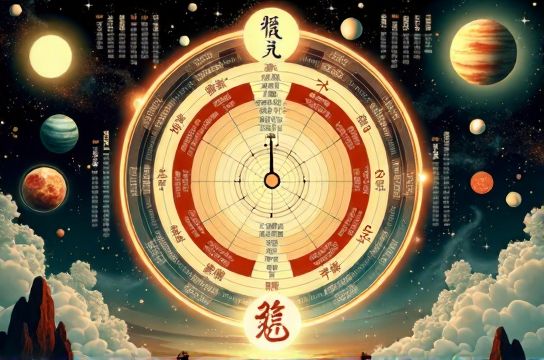
In TCM theory, human physiology is deeply tied to the cycles of the sun, moon, and seasons. This isn’t astrology fluff — it’s a time-tested system that maps organ activity to two-hour windows across the 24-hour day, known as the Chinese Body Clock. Each organ meridian peaks energetically during its assigned period, influencing everything from detoxification to emotional balance.
Take the liver, for example. According to TCM, it’s most active between 1–3 AM. If you’re consistently waking up during this window, it might signal liver stress — often linked to emotions like anger or poor dietary habits. Similarly, the large intestine governs 5–7 AM, which is why many practitioners recommend gentle morning routines to support elimination.
To help you visualize this flow, here’s a breakdown of the Chinese Organ Clock in an easy-to-read HTML table:
| Time | Organ Meridian | Peak Function | Tips for Balance |
|---|---|---|---|
| 3–5 AM | Lung | Respiration, Grief Processing | Breathe deeply; avoid cold air |
| 5–7 AM | Large Intestine | Detox & Elimination | Hydrate early; walk gently |
| 7–9 AM | Stomach | Digestion | Eat warm breakfast |
| 9–11 AM | Spleen | Nutrient Absorption | Avoid sweets; stay active |
| 11 AM–1 PM | Heart | Circulation, Joy | Stay calm; meditate |
| 1–3 PM | Small Intestine | Nutrient Separation | Light lunch; no multitasking |
This rhythm aligns with circadian biology research — cortisol rises before dawn, digestion slows at night, and melatonin surges after dark. But TCM goes further by linking these shifts to emotional and energetic states. For instance, chronic insomnia between 1–3 AM may reflect not just poor sleep hygiene, but unresolved frustration affecting the liver.
Seasonal rhythms matter too. Winter corresponds to the kidneys and conservation, while summer fuels the heart and outward expression. Living against these cosmic rhythms — say, pulling all-nighters in winter or skipping meals in summer — can deplete vital Qi over time.
So what can you do? Sync your routine with these natural flows. Eat your largest meal when the stomach and spleen are peaking (7–11 AM). Schedule workouts during high-energy phases (late morning). And prioritize rest during liver detox hours (1–3 AM).
The science backs this up: a 2020 study in Nature Metabolism found that meal timing influenced weight loss independent of calorie intake. Meanwhile, shift workers show higher rates of digestive disorders — possibly due to disrupted meridian activity.
In short, respecting cosmic rhythms isn’t mystical — it’s metabolic intelligence. By aligning daily habits with the Chinese Body Clock, you’re not just optimizing health — you’re harmonizing with nature’s oldest blueprint.