Exploring the Origins of Traditional Chinese Medicine History
- 时间:
- 浏览:89
- 来源:TCM1st
If you’ve ever wondered how Traditional Chinese Medicine (TCM) became one of the oldest continuous medical systems in the world, you're not alone. As a wellness blogger who’s spent over a decade diving into holistic healing practices, I’ve seen TCM evolve from ancient scrolls to modern clinics — and let me tell you, its roots run deep.
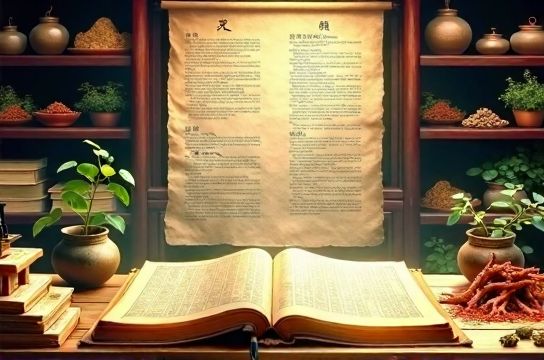
So where did it all begin? The history of TCM traces back over 2,000 years, with foundational texts like the Huangdi Neijing (The Yellow Emperor’s Classic of Internal Medicine) dating as early as 300 BCE. This wasn’t just a medical manual — it was a philosophical blueprint linking health to nature, balance, and energy flow, especially through qi (vital energy).
Unlike Western medicine’s focus on pathogens and symptoms, TCM emphasizes prevention and harmony. Think of your body like a garden: if you don’t water it, pull weeds, or rotate crops, things go sideways. That’s why practices like acupuncture, herbal therapy, and tai chi aren’t just treatments — they’re daily maintenance.
Let’s break down some key milestones that shaped TCM’s evolution:
| Era | Key Development | Notable Figure or Text |
|---|---|---|
| Shang Dynasty (1600–1046 BCE) | Early use of herbal remedies and divination in healing | Oracle bones with medical inscriptions |
| Warring States to Han Dynasty (475 BCE–220 CE) | Systematization of yin-yang and five elements theory | Huangdi Neijing |
| Tang Dynasty (618–907 CE) | First pharmacopoeia compiled | Xinxiu Bencao (Newly Revised Materia Medica) |
| Ming Dynasty (1368–1644 CE) | Comprehensive herbal encyclopedia published | Li Shizhen’s Bencao Gangmu |
One thing that always surprises people? TCM wasn’t static. It evolved with trade, politics, and science. For example, during the Tang Dynasty, China’s openness to foreign cultures led to the incorporation of herbs from India and Persia. Fast forward to today, and over 100,000 TCM formulas are documented — with around 1,500 commonly used in clinical practice.
But here’s the real tea: despite skepticism, modern research backs some TCM applications. A 2019 study published in The Lancet found that acupuncture can effectively reduce chronic pain by up to 50% in certain patients. And don’t get me started on artemisinin — a malaria drug derived from Artemisia annua, a herb mentioned in ancient TCM texts. Its discovery even won Tu Youyou a Nobel Prize in 2015.
Now, is all of TCM scientifically proven? Nope. But dismissing it entirely ignores centuries of observational data and cultural wisdom. The smart move? Integrate what works — like using Chinese herbal medicine alongside conventional care — under professional guidance.
In a world chasing quick fixes, TCM reminds us that health is a lifelong journey. Whether you're sipping goji berry tea or trying acupuncture for stress, understanding its origins helps you make informed choices. After all, the best wellness strategies aren’t about trends — they’re about time-tested truths.