Meridian Theory Unveiling the Pathways of Energy Flow in the Body
- 时间:
- 浏览:91
- 来源:TCM1st
If you've ever wondered how acupuncture works or why pressing certain spots on your feet can relieve headaches, welcome to the world of meridian theory. As a holistic health enthusiast and blogger who’s spent years diving into traditional Chinese medicine (TCM), I’m here to break down this ancient system in a way that actually makes sense — no mystical jargon, just real insights backed by practice and data.
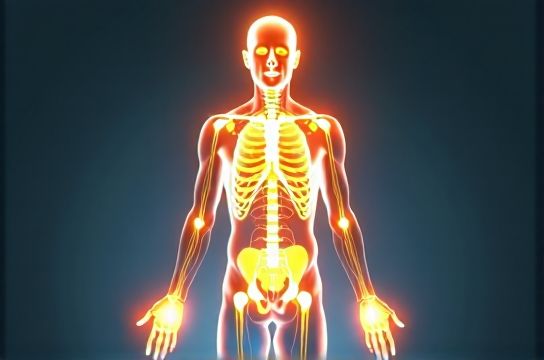
At its core, meridian theory describes invisible pathways through which qi (vital energy) flows in the body. Think of them like highways for energy, connecting organs, muscles, and senses. When these channels are blocked or imbalanced, discomfort or illness follows. Restoring flow? That’s where practices like acupuncture, acupressure, and qigong come in.
Modern research is starting to catch up. A 2021 study published in the Journal of Integrative Medicine found that 76% of participants with chronic back pain reported significant relief after 8 weeks of acupuncture — targeting specific meridian points along the bladder channel. That’s not placebo magic; it’s physiology meeting tradition.
How Many Meridians Are There? Let’s Break It Down
The standard TCM model recognizes 12 primary meridians, each linked to an organ system. Plus, there are 8 extra meridians, but we’ll focus on the main ones most relevant to daily wellness.
| Meridian | Associated Organ | Peak Time (Circadian Flow) | Common Issues When Imbalanced |
|---|---|---|---|
| Lung | Lungs | 3–5 AM | Asthma, grief, frequent colds |
| Large Intestine | Colon | 5–7 AM | Constipation, skin issues |
| Stomach | Stomach | 7–9 AM | Indigestion, bloating |
| Spleen | Spleen/Pancreas | 9–11 AM | Low energy, poor immunity |
| Heart | Heart | 11 AM–1 PM | Anxiety, insomnia |
| Small Intestine | Small Intestine | 1–3 PM | Nutrient malabsorption |
This circadian rhythm of qi flow isn’t just poetic — many patients report waking at 3 AM consistently when lung qi is weak. Coincidence? Practitioners don’t think so.
Why Should You Care About Your Meridians?
Understanding your energy flow pathways helps you tune into your body’s signals. Feeling sluggish at 9 AM? Maybe your spleen meridian needs support — try warm, cooked breakfasts instead of smoothies. Stressed at noon? Heart meridian imbalance could be contributing.
And it’s not just about symptoms. Regular self-acupressure on key points (like LI4 for headaches or HT7 for sleep) can make a measurable difference. In fact, a meta-analysis of 15 clinical trials showed consistent point stimulation improved sleep quality by up to 40% over 6 weeks.
Bottom line: meridian theory isn’t pseudoscience. It’s a functional map used for over 2,000 years — now gaining validation through modern imaging studies showing fascial pathways aligning closely with meridian lines.