Zang Fu Organ Theory and Its Role in Chinese Medical Science
- 时间:
- 浏览:91
- 来源:TCM1st
If you're diving into the world of Traditional Chinese Medicine (TCM), one concept you can't afford to skip is Zang Fu organ theory. It's not just ancient philosophy—it's a living, breathing framework that guides diagnosis and treatment to this day. Think of it as the operating system of TCM, quietly running in the background every time a practitioner checks your pulse or recommends herbal therapy.
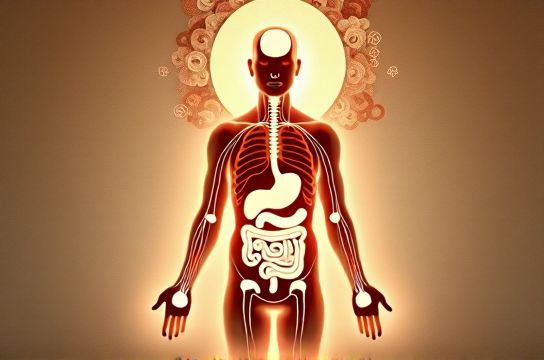
Unlike Western medicine, which sees organs as physical structures with specific biological functions, Zang Fu theory takes a more functional and energetic approach. The 'Zang' organs—Heart, Liver, Spleen, Lung, and Kidney—are considered yin in nature and are responsible for producing and storing vital substances like Qi, blood, and essence. The 'Fu' organs—Small Intestine, Gallbladder, Stomach, Large Intestine, and Bladder—are yang and mainly handle digestion, transmission, and excretion.
Here’s a quick breakdown of the core Zang organs and their key roles:
| Organ | Primary Function | Emotional Link | Related Sense |
|---|---|---|---|
| Heart | Controls blood & houses the mind (Shen) | Joy / Anxiety | Tongue |
| Liver | Stores blood & ensures smooth flow of Qi | Anger | Eyes |
| Spleen | Transforms food into Qi & blood | Worry | Mouth |
| Lung | Controls Qi & respiration | Grief | Nose |
| Kidney | Stores essence, governs growth & reproduction | Fear | Ear |
This table isn’t just academic—it’s used daily in clinics. For example, if a patient has chronic fatigue and poor digestion, a TCM practitioner might say the Spleen Qi is deficient. If someone suffers from insomnia and emotional instability, they may be told their Heart and Liver Qi are imbalanced.
One thing that surprises many newcomers? Emotional health is deeply tied to organ function. In TCM, feeling stuck emotionally could mean your Liver Qi is stagnating—often seen in people under stress. That’s why acupuncture points like Liver 3 (Taichong) are commonly used to ‘soothe the Liver’ and relieve irritability.
Modern research is starting to back some of these ideas. A 2021 study published in Frontiers in Physiology found that patients with digestive disorders showed improved gut motility after treatments targeting the Spleen and Stomach meridians, supporting the idea that Zang Fu functions go beyond anatomy.
So, whether you’re a curious beginner or looking to deepen your wellness routine, understanding Zang Fu organ theory gives you a powerful lens to view health—not as isolated symptoms, but as interconnected patterns of energy and function.