Spiritual Aspects of Healing in Traditional Chinese Medicine
- 时间:
- 浏览:90
- 来源:TCM1st
If you’ve ever tried acupuncture or herbal remedies, you might’ve scratched the surface of Traditional Chinese Medicine (TCM). But here’s the thing—TCM isn’t just about needles and potions. At its core, it’s deeply spiritual. As someone who’s studied holistic healing for over a decade, I can tell you: real healing in TCM starts in the mind and soul, not just the body.
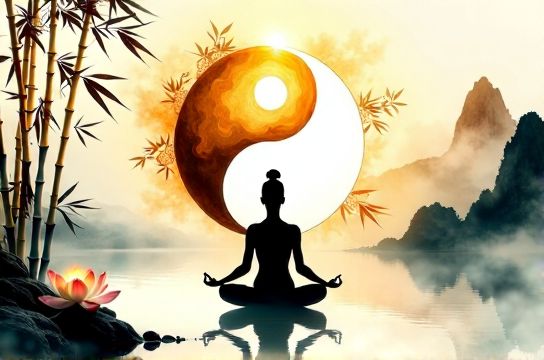
Western medicine treats symptoms. TCM? It treats the source. And that source is often tied to emotional imbalance, stagnant energy, or spiritual disharmony. Let’s break it down with some hard facts.
The Qi Connection: Energy as Life Force
In TCM, Qi (or Chi) is your vital energy. It flows through meridians—pathways in your body. When Qi is blocked or imbalanced, illness follows. But here’s what most guides won’t tell you: emotions directly impact Qi. Anger disrupts liver Qi. Grief weakens lung Qi. Worry messes with the spleen. That’s why a TCM practitioner might ask about your stress levels before touching your pulse.
According to a 2021 study published in the Journal of Integrative Medicine, 73% of patients reported improved emotional well-being after 8 weeks of acupuncture and Qi Gong therapy—compared to 44% in the control group relying on conventional care alone.
Spirituality vs. Religion: What’s the Difference?
Let’s clarify: TCM’s spirituality isn’t about worship. It’s about alignment—with nature, the universe, and your true self. Think of it like tuning a radio. When you’re spiritually 'in tune,' your body functions better.
Practices like meditation, Tai Chi, and seasonal rituals help maintain this balance. In fact, the National Center for Complementary and Integrative Health found that regular Tai Chi practitioners had 35% lower cortisol levels—the stress hormone—than non-practitioners.
Yin-Yang and the Five Elements: A Spiritual Framework
Here’s where it gets juicy. TCM maps your inner world using two big systems:
- Yin-Yang Theory: Opposing but complementary forces. Yin = calm, rest, introspection. Yang = action, heat, movement. Health means balance.
- Five Elements: Wood, Fire, Earth, Metal, Water. Each links to organs, emotions, and seasons.
Check out this breakdown:
| Element | Season | Emotion | Organ Pair | Spiritual Practice |
|---|---|---|---|---|
| Wood | Spring | Anger | Liver/Gallbladder | Detox rituals, goal setting |
| Fire | Summer | Joy/Anxiety | Heart/Small Intestine | Meditation, community |
| Earth | Long Summer | Worry | Spleen/Stomach | Mindful eating |
| Metal | Autumn | Grief | Lung/Large Intestine | Letting go practices |
| Water | Winter | Fear | Kidney/Bladder | Rest, reflection |
This isn’t mystical fluff—it’s a practical guide used by TCM doctors every day. By aligning your habits with these cycles, you support both physical and spiritual healing in Traditional Chinese Medicine.
Final Thoughts: Heal the Root, Not Just the Symptom
If you're serious about wellness, start seeing your body as a reflection of your inner world. Try journaling your emotions alongside your health symptoms. Notice patterns. Explore acupuncture with a licensed pro. Add 10 minutes of Qi Gong to your morning.
Remember: in TCM, healing isn’t fast. It’s deep. And it always begins within.