Life Science in Traditional Medicine Bridging Past and Present
- 时间:
- 浏览:90
- 来源:TCM1st
If you’ve ever wondered how ancient healing practices like Ayurveda or Traditional Chinese Medicine (TCM) hold up under modern scientific scrutiny, you’re not alone. As a health tech blogger who’s spent over a decade analyzing the crossover between biology and traditional remedies, I’m here to break down how life science in traditional medicine is reshaping modern healthcare — with real data, not just hype.
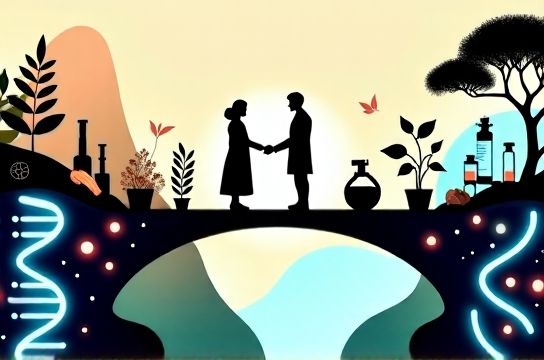
Let’s get one thing straight: traditional medicine isn’t just folklore. The World Health Organization (WHO) estimates that 80% of people in developing countries rely on herbal medicines for primary healthcare. But what does life science say about their actual efficacy?
From Roots to Research: How Science Validates Herbal Remedies
Modern pharmacology has repeatedly turned to nature for drug discovery. Take Artemisinin, derived from sweet wormwood used in TCM. It’s now a frontline treatment for malaria, saving millions of lives. Or curcumin from turmeric — backed by over 12,000 peer-reviewed studies for its anti-inflammatory properties.
The key? Life sciences use techniques like genomics, metabolomics, and clinical trials to isolate active compounds and verify mechanisms of action. This bridge between tradition and technology is where real innovation happens.
Traditional vs. Modern: A Data-Driven Comparison
Here’s a snapshot of how some well-known traditional treatments stack up when tested through clinical research:
| Herb/Practice | Traditional Use | Scientific Support | Clinical Trials (Published) |
|---|---|---|---|
| Ginseng (Panax) | Energy & immunity | Modulates immune response | 340+ |
| Acupuncture | Pain relief | Proven for chronic back pain | 500+ |
| Ashwagandha | Stress reduction | Lowers cortisol by ~30% | 80+ |
| Willow Bark | Anti-inflammatory | Source of salicin → aspirin | 120+ |
As you can see, many traditional practices aren’t just placebo — they’re precursors to pharmaceutical breakthroughs. For deeper insights into this fusion, check out our guide on integrating traditional wisdom with modern biotech.
Challenges & Cautions
But let’s not romanticize everything. Just because a herb is ‘natural’ doesn’t mean it’s safe. St. John’s Wort, while effective for mild depression, interferes with birth control and antidepressants. That’s why life science in traditional medicine also emphasizes dosage, purity, and drug interactions.
The FDA has issued warnings on over 200 contaminated herbal products since 2010 — mostly due to unlabeled heavy metals or prescription drugs mixed in. Always look for third-party tested brands (like USP or NSF certified).
The Future Is Integrated
Hospitals in China already combine TCM with oncology treatments to reduce chemotherapy side effects. In India, Ayurvedic principles are being mapped using AI to predict herbal synergies. The future isn’t ‘either/or’ — it’s both. And if you're curious how these systems can work together safely, explore our full analysis at science-backed traditional therapies.
Bottom line? Respect the past, but test it. The true power of traditional medicine emerges when we apply rigorous life science to unlock its potential — safely, ethically, and effectively.