A Historical Overview of Key Figures in Chinese Medical Thought
- 时间:
- 浏览:87
- 来源:TCM1st
If you're diving into the world of holistic health, you've probably come across Traditional Chinese Medicine (TCM). But did you know that TCM didn’t just pop up overnight? It was shaped by brilliant minds over thousands of years. Let’s take a quick, insightful journey through the key figures who laid the foundation for one of the most enduring medical systems in history.
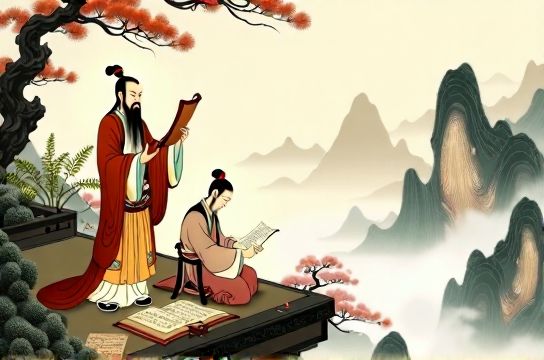
The Roots: Who Started It All?
It all began around 200 BCE with the legendary Huangdi, or the Yellow Emperor. While he may be more myth than man, the Huangdi Neijing (The Yellow Emperor’s Inner Canon) is very real—and it’s the cornerstone of TCM theory. This text introduced core concepts like Qi (vital energy), Yin-Yang balance, and the Five Elements.
Jumping forward to the Eastern Han Dynasty, we meet Zhang Zhongjing, often called the 'Sage of Chinese Medicine.' His work Shanghan Zabing Lun systematized herbal treatment for febrile diseases—basically, ancient immunology. Talk about being ahead of his time!
Medieval Masters & Their Legacy
By the Tang Dynasty, Sun Simiao took center stage. Known as the 'King of Medicine,' he emphasized ethics and preventive care. In fact, he was one of the first to prescribe dietary therapy and even described early forms of antiseptic techniques.
Then came Li Shizhen in the Ming Dynasty. His Bencao Gangmu ('Compendium of Materia Medica') cataloged over 1,800 medicinal substances and influenced not just China, but global pharmacopeias. Think of it as the original PubMed.
Why These Figures Still Matter Today
You might wonder: why should we care about ancient doctors? Because their principles are still used daily in modern Chinese herbal medicine clinics, acupuncture practices, and wellness programs worldwide.
Check out this timeline of major contributors:
| Figure | Era | Key Contribution | Modern Impact |
|---|---|---|---|
| Huangdi (Yellow Emperor) | ~200 BCE | Authored Huangdi Neijing; established Yin-Yang & Five Elements | Foundation of TCM diagnostics |
| Zhang Zhongjing | 200 CE | Systematized herbal formulas for illness | Still used in cold/flu treatments |
| Sun Simiao | 600–700 CE | Pioneered diet therapy & medical ethics | Influenced preventive medicine |
| Li Shizhen | 1500s CE | Compiled Bencao Gangmu with 1,892 substances | Global reference in ethnopharmacology |
These aren’t just historical footnotes—they’re the blueprint of a medical tradition that’s still evolving. Whether you're a wellness enthusiast or a skeptic, understanding these roots gives you a clearer picture of how natural healing, holistic diagnosis, and preventive care became central to millions of people’s health routines.
So next time you sip on goji tea or try acupuncture for stress, remember—you’re part of a legacy centuries in the making.