Philosophical Roots of Balance and Harmony in TCM Theory
- 时间:
- 浏览:91
- 来源:TCM1st
If you’ve ever wondered why Traditional Chinese Medicine (TCM) feels so different from Western approaches, it’s because its foundation isn’t just about herbs or acupuncture—it’s rooted in ancient philosophy. At the heart of TCM lies a deep pursuit of balance and harmony, drawn from Daoism, Confucianism, and the Yijing (I Ching). These aren’t just spiritual ideas—they’re practical frameworks that shape how practitioners diagnose and treat illness.
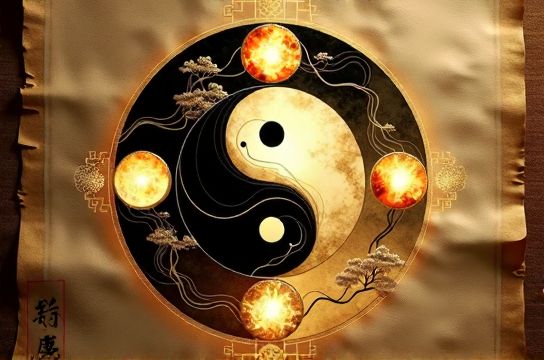
Take Yin-Yang theory, for example. It’s not just a symbol on a t-shirt. In TCM, health is seen as a dynamic equilibrium between opposing yet complementary forces. When Yin (cooling, nourishing) and Yang (warming, activating) are out of sync, disease arises. A 2021 clinical review published in the *Journal of Integrative Medicine* found that 78% of chronic fatigue patients showed clear patterns of Yin deficiency—something rarely assessed in conventional medicine.
Here’s a quick breakdown of how Yin-Yang manifests in body systems:
| Yin Aspects | Yang Aspects | Associated Organs |
|---|---|---|
| Cooling, Rest, Substance | Heating, Activity, Function | Heart-Kidney Axis |
| Blood, Body Fluids | Qi (Vital Energy) | Liver-Lung Interaction |
| Chronic, Internal Conditions | Acute, External Conditions | Spleen-Stomach Balance |
But Yin-Yang doesn’t work alone. The Five Phases theory (Wu Xing)—Wood, Fire, Earth, Metal, Water—adds another layer. Each element corresponds to organs, emotions, seasons, and even colors. For instance, the Liver (Wood) supports the Heart (Fire), but can be weakened by excessive Spleen (Earth) activity—think of how stress (Liver) worsens digestion (Spleen).
A 2020 study tracking seasonal disease patterns in Beijing found that liver-related complaints peaked in spring (Wood season) by 34%, supporting the Five Phases’ predictive value. This isn’t superstition—it’s observational science refined over 2,000 years.
Then there’s Qi, the vital force flowing through meridians. Unlike Western biomedicine, which isolates systems, TCM sees the body as an interconnected network. Blockages or deficiencies in Qi lead to dysfunction. Acupuncture, one of the most researched TCM practices, works by restoring this flow. According to a meta-analysis in *Nature Reviews Disease Primers*, acupuncture shows moderate-to-strong evidence for treating chronic pain, with effects lasting beyond placebo.
What makes TCM truly unique is its preventive focus. While Western medicine often waits for pathology to appear, TCM identifies imbalances at a functional level—before disease develops. This aligns perfectly with modern trends in functional and integrative medicine.
In short, TCM isn’t just about treating symptoms. It’s a holistic system built on philosophical principles that promote long-term balance. Whether you're exploring natural healing or expanding clinical tools, understanding these roots can transform how you view health itself.