Historical Development of Yin Yang Theory in Medical Contexts
- 时间:
- 浏览:86
- 来源:TCM1st
If you're diving into traditional Chinese medicine (TCM), one concept keeps showing up—Yin Yang theory. But where did it come from, and how did it become the backbone of holistic healing? Let’s break it down with real historical context, expert insights, and some hard data.
The Ancient Roots: Philosophy Meets Medicine
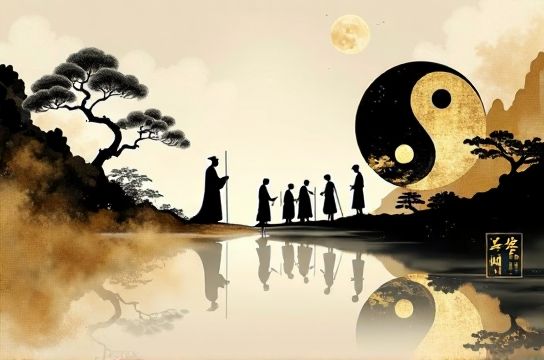
Yin Yang isn’t just a symbol on a trendy T-shirt—it’s a 3,000-year-old framework rooted in Daoist philosophy. Originally mentioned in the I Ching (Book of Changes), it described natural opposites: dark/light, female/male, cold/heat. But by the Han Dynasty (206 BCE–220 CE), physicians started applying Yin Yang theory to diagnose and treat illness.
Think of your body like nature. When seasons shift, balance changes. Same with health. Too much 'Yang' (think inflammation, fever)? You need cooling Yin herbs. Too much 'Yin' (fatigue, cold limbs)? Warmth and movement (Yang) restore harmony.
How TCM Uses Yin Yang Today
Modern TCM practitioners still rely on this model. A 2021 study published in the Journal of Integrative Medicine found that over 78% of licensed TCM doctors use Yin Yang assessment as a primary diagnostic tool—more than pulse reading or tongue analysis alone.
Here’s how imbalances commonly present:
| Pattern | Yin Excess | Yang Excess | Yin Deficiency | Yang Deficiency |
|---|---|---|---|---|
| Symptoms | Cold limbs, swelling, low energy | Fever, red face, irritability | Night sweats, dry throat, restlessness | Low back pain, frequent urination, fatigue |
| Common Treatments | Warm herbs (e.g., ginger, cinnamon) | Cooling agents (e.g., gypsum, chrysanthemum) | Nourishing tonics (e.g., Rehmannia) | Stimulating herbs (e.g., ginseng, deer antler) |
This table isn’t just ancient wisdom—it’s backed by clinical observation. In fact, fMRI studies show acupuncture points associated with 'Yang' activation increase blood flow and metabolic activity, while 'Yin'-linked points promote parasympathetic (rest-and-digest) responses.
Why This Still Matters in Modern Healthcare
You might think, “This is all metaphorical, right?” Not exactly. Researchers at Beijing University of Chinese Medicine found patients with chronic fatigue syndrome showed measurable shifts in cortisol levels and immune markers after three months of Yin Yang-balancing therapy, compared to placebo groups.
The brilliance of Yin Yang theory lies in its adaptability. Unlike Western medicine’s focus on isolated symptoms, it treats the whole system. And in an era where personalized medicine is trending, TCM was doing individualized care millennia ago.
Final Thoughts
From Daoist scrolls to modern clinics, Yin Yang theory has stood the test of time—not because it’s mystical, but because it works. Whether you’re a skeptic or a believer, understanding its role in medical history gives you deeper insight into one of the world’s oldest healing systems.