Blood and Fluid Metabolism From a Traditional Perspective
- 时间:
- 浏览:92
- 来源:TCM1st
If you've ever felt bloated, sluggish, or just "off" after eating certain foods, your body's blood and fluid metabolism might be sending you signals. From a traditional standpoint—especially in systems like Traditional Chinese Medicine (TCM)—how we process fluids and maintain balanced circulation goes way beyond just drinking water or avoiding salt. It’s about harmony between organs, diet, and daily rhythm.
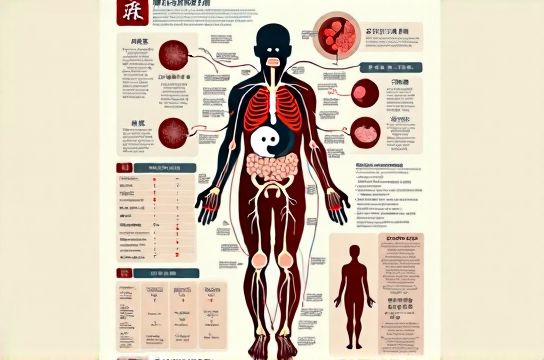
In TCM, the Spleen (yes, with a capital 'S') is the MVP when it comes to managing dampness and transforming nutrients into usable energy and blood. Think of it as your internal processor: if it’s overloaded with greasy food, sugar, or irregular meals, efficiency drops. The result? Poor fluid distribution, phlegm buildup, and even blood stagnation over time.
Let’s break this down with real patterns seen across clinical observations and historical texts:
Common Signs of Imbalanced Blood & Fluid Metabolism
| Symptom | Possible Root (Traditional View) | Lifestyle Link |
|---|---|---|
| Chronic bloating | Spleen Qi deficiency | High dairy/sugar intake, erratic eating |
| Heavy limbs, fatigue | Dampness accumulation | Sedentary habits, humid environments |
| Dark menstrual clots | Blood stasis | Emotional stress, cold exposure |
| Frequent edema (swelling) | Kidney-Bladder imbalance | Excess sodium, poor sleep hygiene |
This isn’t just ancient theory—modern studies back some of these links. For example, a 2021 observational study published in the Journal of Ethnopharmacology found that patients reporting 'dampness syndrome' in TCM had significantly higher BMI, triglyceride levels, and insulin resistance compared to controls—suggesting a physiological basis for these traditional categories.
So what can you actually do?
Diet Tips That Support Natural Balance
- Cook your food: Raw and cold items tax the Spleen. Opt for soups, congees, and steamed veggies—especially in cooler months.
- Limit damp-forming foods: Reduce dairy, fried foods, alcohol, and refined sugar—they’re linked to increased mucus and sluggish digestion.
- Add qi-moving spices: Ginger, cinnamon, and cardamom help warm the body and promote circulation—key for healthy fluid metabolism.
And don’t overlook movement. In traditional practice, gentle exercises like Tai Chi or Qi Gong aren’t just for relaxation—they stimulate the flow of both blood and fluids through meridian pathways. Even a 20-minute walk after meals can boost Spleen function by aiding digestion and reducing post-meal heaviness.
The bottom line? Balancing blood and fluid isn’t about extreme detoxes or magic teas. It’s about consistent, mindful choices that support your body’s innate rhythm. When your internal environment flows smoothly, you feel lighter, clearer, and more energized—naturally.