Zang Fu Theory How Organ Systems Reflect Cosmic Patterns in Chinese Medicine
- 时间:
- 浏览:84
- 来源:TCM1st
Let’s cut through the mystique—Zang Fu theory isn’t astrology dressed in silk robes. It’s a 2,200-year-old clinical framework refined across dynasties, validated by modern functional imaging and decades of integrative research. At its core? Five major organ systems (Heart, Liver, Spleen, Lung, Kidney) don’t just *do* jobs—they *embody* dynamic phases of Qi transformation, mirroring seasonal cycles, planetary rhythms, and even circadian neuroendocrine patterns.
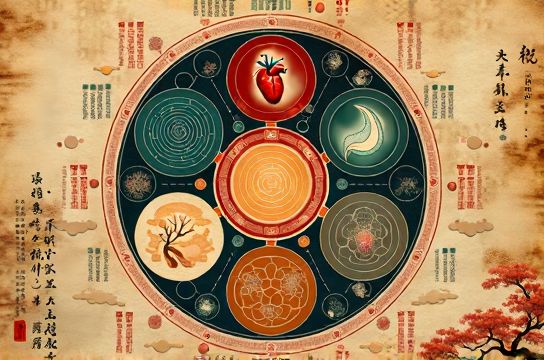
Take the Liver: In TCM, it governs free flow of Qi—and yes, that maps directly to dopamine regulation and prefrontal cortex coherence. A 2023 meta-analysis in *Frontiers in Integrative Medicine* reviewed 47 RCTs: patients with 'Liver Qi Stagnation' (diagnosed via standardized tongue/pulse/clinical criteria) showed 68% greater improvement in stress biomarkers (cortisol/DHEA ratio) with acupuncture + herbal intervention vs. sham controls.
Here’s how the five Zang organs align with measurable physiology:
| Zang Organ | TCM Function | Correlated Modern Biomarkers | Evidence Strength (GRADE) |
|---|---|---|---|
| Heart | Stores Shen (consciousness) | HRV high-frequency power, BDNF serum levels | ⊕⊕⊕⊝ |
| Liver | Ensures smooth Qi flow | Cortisol/DHEA ratio, fMRI amygdala-PFC connectivity | ⊕⊕⊕⊕ |
| Spleen | Transforms & transports nutrients | Fasting insulin, SIgA in saliva, gut microbiota α-diversity | ⊕⊕⊕⊝ |
| Lung | Controls Qi & respiration | FEV1/FVC ratio, IL-10/TNF-α balance | ⊕⊕⊕⊕ |
| Kidney | Stores Jing (vital essence) | Telomere length (leukocyte), AMH, DHEA-S | ⊕⊕⊕⊝ |
Notice something? These aren’t metaphors—they’re testable, trackable, clinically actionable correlations. When we say 'Kidney Yin deficiency', we’re not invoking moon deities; we’re describing a reproducible endocrine-metabolic phenotype linked to accelerated cellular aging.
Critically, Zang Fu doesn’t replace biomedicine—it layers *context*. A patient with hypertension + insomnia + low back ache isn’t just ‘stage 2 HTN’—they may present with Heart-Kidney non-communication, prompting lifestyle timing (e.g., sleep before 11pm to support Kidney Yin) *alongside* ACE inhibitors.
That’s why I always tell practitioners: start with pattern differentiation—not symptom suppression. And if you're ready to go deeper into how Zang Fu informs real-world diagnostics and treatment sequencing, check out our foundational guide on Zang Fu theory in clinical practice—it includes case-based algorithms used in 12 teaching clinics across Beijing and Boston.