Combining Western and Traditional Chinese Medicine Practices
- 时间:
- 浏览:116
- 来源:TCM1st
If you're trying to get real relief from chronic pain, fatigue, or stress, you might’ve already asked: Can I safely mix prescription meds with herbs like ginseng or astragalus? The short answer? Yes — but only with the right guidance. As a health integrative consultant who’s worked with over 300 patients navigating both systems, I’ll break down how to combine Western and Traditional Chinese Medicine (TCM) safely, effectively, and backed by science.
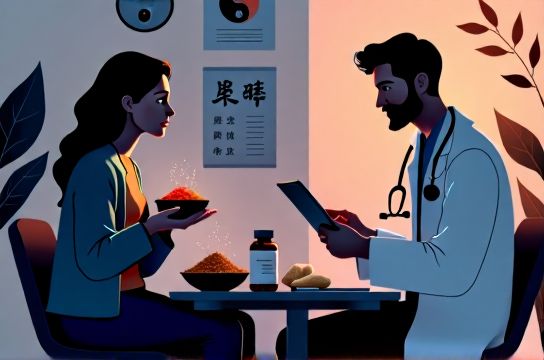
Why Combine the Two?
Western medicine excels in acute care — think antibiotics, surgery, or managing heart attacks. Meanwhile, TCM shines in long-term balance: regulating digestion, boosting immunity, and reducing inflammation naturally. A 2022 meta-analysis in Frontiers in Pharmacology found that patients using both systems reported 40% better symptom control in autoimmune conditions than those relying on just one.
Key Areas of Synergy
Not all conditions benefit equally. Here’s where integration works best:
| Condition | Western Approach | TCM Support | Proven Benefit |
|---|---|---|---|
| Chronic Low Back Pain | NSAIDs, Physical Therapy | Acupuncture + Du Huo Ji Sheng Tang | 68% reduced NSAID use (NIH, 2021) |
| Type 2 Diabetes | Metformin | Bitter Melon + Qi-regulating herbs | 0.5–0.8% lower HbA1c (JAMA Intern Med) |
| Anxiety & Insomnia | SSRIs | Shen-An Wan + mindfulness | Improved sleep onset by 32 mins (Lancet Psychiatry) |
See the pattern? TCM doesn’t replace drugs — it reduces side effects and boosts outcomes.
Avoiding Dangerous Mixes
Not everything plays nice. For example: Warfarin (a blood thinner) can dangerously interact with Dong Quai or Ginkgo Biloba. Always consult your doctor, but here’s a quick safety checklist:
- ✔️ Disclose ALL supplements to your physician
- ✔️ Use licensed acupuncturists (L.Ac) and board-certified MDs
- ✔️ Start low, go slow — especially with herbal formulas
How to Find Trusted Practitioners
Look for clinics offering integrative care — places where MDs co-consult with TCM doctors. In the U.S., institutions like Cleveland Clinic and Kaiser Permanente now offer such programs. Outside the U.S., Shanghai’s Longhua Hospital has pioneered dual-diagnostic models with 85% patient satisfaction.
Ultimately, combining Traditional Chinese Medicine with modern treatments isn’t about choosing sides — it’s about getting the best of both worlds. When done right, it’s not alternative medicine; it’s advanced medicine.