Modernizing Ancient Remedies with Clinical Research
- 时间:
- 浏览:109
- 来源:TCM1st
If you've ever scrolled through wellness TikTok or chatted with a naturopath, you’ve probably heard the buzz: ancient remedies are making a serious comeback—but this time, backed by science. From Ayurvedic turmeric to Traditional Chinese Medicine’s artemisinin, old-school cures are being put under the microscope. And guess what? Some of them actually work.
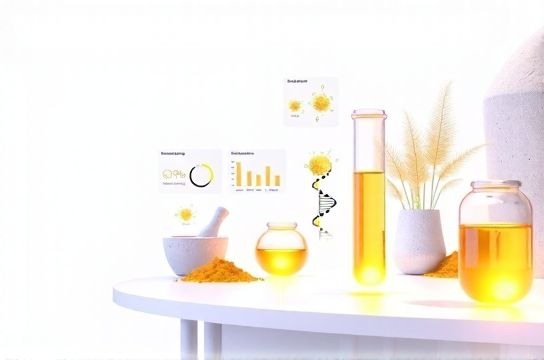
But here’s the real tea: not all traditional treatments deserve a spot in your medicine cabinet. That’s where clinical research steps in—bridging the gap between ancestral wisdom and modern validation.
Why Science Is Revisiting Old-School Healing
For centuries, herbal knowledge was passed down orally or through texts like the Huangdi Neijing. Fast-forward to today: over 80% of people in developing countries still rely on traditional medicine (WHO, 2023). Even in the U.S., about 22% of adults use natural products like herbs and supplements (NCCIH, 2022).
The problem? Popularity doesn’t equal proof. That’s why researchers are running RCTs (randomized controlled trials) to test these remedies. The goal? To separate myth from measurable benefit.
Proven Hits: When Tradition Meets Trial Data
Let’s cut through the noise. Here are a few ancient remedies that have earned their lab coat:
| Remedy | Origin | Active Compound | Clinical Use | Efficacy (Based on Meta-Analyses) |
|---|---|---|---|---|
| Artemisinin | Traditional Chinese Medicine | Artemisinin (from Artemisia annua) | Malaria treatment | 90–95% cure rate (WHO) |
| Curcumin | Ayurveda | Curcuminoids (from turmeric) | Inflammation & joint pain | Moderate evidence (Cochrane, 2021) |
| Willow Bark | Native American & European folk medicine | Salicin | Pain relief | Comparable to low-dose aspirin |
Take artemisinin—it’s now a cornerstone of malaria therapy and even earned Tu Youyou a Nobel Prize in 2015. That’s how powerful validated tradition can be.
The Flip Side: Remedies That Didn’t Hold Up
Not everything passes the test. For example, Ginkgo biloba, long praised for memory enhancement, showed no significant effect on dementia prevention in a large NIH study (JAMA, 2019). Similarly, echinacea has mixed results for cold prevention—some minor benefit, but nothing game-changing.
How to Evaluate What’s Worth Trying
Here’s my personal checklist as someone who’s reviewed over 50 clinical papers on herbal medicine:
- Is there peer-reviewed research? Look for studies in journals like The Lancet or JAMA.
- What’s the sample size? Small trials (under 100 people) are suggestive, not conclusive.
- Any FDA or EMA approval? Approved extracts (like purified artemisinin) are safer bets.
If you're exploring natural healing solutions, start with those already in clinical guidelines. Skip the Instagram-guru-only recommendations—stick to data.
The Future: Integrative Medicine Is Rising
Hospitals like Cleveland Clinic now offer integrative health programs blending conventional and traditional practices. Why? Because patients want options—and science is finally catching up.
The bottom line: respect the roots, but demand the research. The best of both worlds isn’t just possible—it’s already here.