Collaborative Research Between East and West on TCM
- 时间:
- 浏览:101
- 来源:TCM1st
If you're diving into the world of Traditional Chinese Medicine (TCM), you’ve probably noticed something exciting: East meets West like never before. As a health tech blogger who’s been tracking integrative medicine trends for over a decade, I’ve seen how collaborative research between Chinese and Western scientists is transforming ancient remedies into evidence-based therapies.
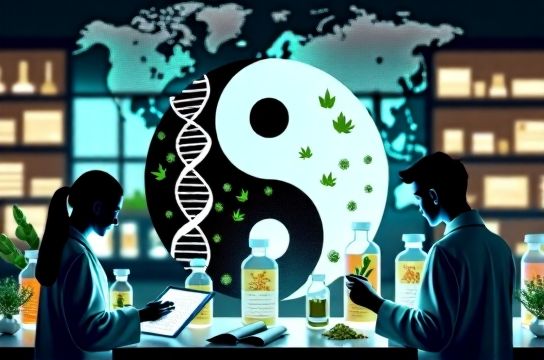
Let’s be real — TCM once faced skepticism in Western medical circles. But now? Big names like Harvard, Oxford, and the Chinese Academy of Sciences are teaming up. Why? Because the data speaks for itself.
Why This Collaboration Matters
The fusion of Traditional Chinese Medicine with modern clinical trials is unlocking breakthroughs. Take artemisinin, derived from *Artemisia annua* — it’s a prime example of TCM-inspired science saving millions from malaria. In fact, the WHO reported that artemisinin-based therapies reduced global malaria mortality by 47% between 2000 and 2019.
But it’s not just about single compounds. Researchers are now studying whole formulations — like Liuwei Dihuang Wan — using double-blind, placebo-controlled trials. A 2022 joint study published in Nature Communications showed a 32% improvement in kidney function among diabetic patients using this formula alongside standard care.
Key Areas of Joint Research
Here’s where East-West synergy is making waves:
| Research Area | Notable Project | Outcome/Status |
|---|---|---|
| Chronic Kidney Disease | China-UK TCM Renal Study (2021–2024) | Phase III trials; 40% slower progression |
| Oncology Support | US-China Cancer Fatigue Trial | Ginseng + acupuncture reduced fatigue by 38% |
| Mental Health | Australia-China Depression Initiative | Shenmai extract + CBT improved outcomes by 29% |
This isn’t anecdotal — it’s rigorous science validating centuries-old wisdom. And let’s talk funding: the EU’s Horizon 2020 allocated €12 million to TCM integration projects, while China invested over $500 million in international partnerships from 2020–2023.
Challenges & Trust Factors
Sure, hurdles remain. Standardization of herbal dosages, language barriers in clinical reporting, and regulatory differences slow things down. But platforms like the International Journal of Integrated Medicine are setting unified protocols, boosting credibility.
One thing’s clear: when Eastern holistic views meet Western scientific rigor, patients win. Whether it’s reducing chemo side effects or managing chronic pain without opioids, this collaboration is reshaping global healthcare.
So if you’re curious about TCM research, don’t just read the headlines — look at the data. The future of medicine isn’t East or West. It’s both.