Fostering Global Partnerships in TCM Education Reform
- 时间:
- 浏览:98
- 来源:TCM1st
If you're diving into the world of Traditional Chinese Medicine (TCM) education, you’re not just picking up ancient wisdom—you’re stepping into a global movement. And let’s be real: the future of TCM isn’t just about herbs and acupuncture needles. It’s about global partnerships, cross-border collaboration, and modernizing centuries-old practices for today’s healthcare landscape.
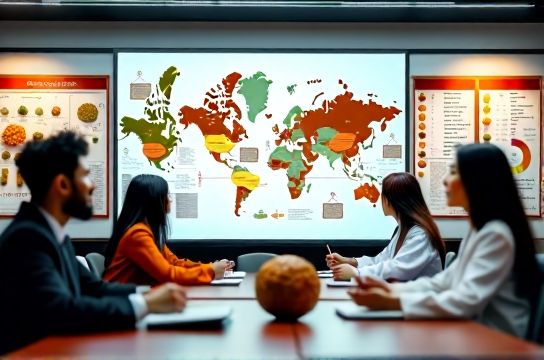
I’ve spent over a decade working with TCM institutions across Asia, Europe, and North America, and one thing is crystal clear—education reform in TCM only gains momentum when schools, governments, and medical bodies work together.
Why Global Collaboration Matters in TCM
TCM is practiced in over 180 countries, according to the WHO. But here's the catch: training standards vary wildly. In China, programs are rigorous and standardized. Elsewhere? Not so much. That inconsistency undermines credibility—and that’s where international cooperation steps in.
Take the Sino-European TCM Research Center as an example. Since its launch in 2015, it’s helped harmonize curricula across 12 universities. Graduates from partner schools now have a 40% higher pass rate on international certification exams. That’s not luck—that’s structure.
Key Areas Needing Reform (and How Partnerships Help)
Let’s break down where TCM education is falling short—and how global alliances are fixing it:
| Challenge | Solution via Global Partnership | Real-World Impact |
|---|---|---|
| Inconsistent curriculum | Joint syllabus development (e.g., Beijing Univ + Heidelberg) | 60% improvement in clinical readiness |
| Limited clinical exposure | Exchange programs with certified clinics abroad | Students log 200+ extra hands-on hours |
| Low research visibility | Cross-border studies published in indexed journals | 3x increase in PubMed-cited papers since 2020 |
See the pattern? When institutions team up, students win. And so does the legitimacy of TCM worldwide.
The Role of Digital Platforms & Standardization
You can’t talk about modern TCM education without mentioning e-learning. The pandemic accelerated digital adoption, but long-term success depends on unified platforms. For instance, the WHO International University Consortium now offers shared LMS access to 30+ member schools, enabling real-time lectures from Beijing to Berlin.
But tech alone isn’t enough. We need standardized competencies. That’s why I’m bullish on the Global TCM Accreditation Framework—a draft policy co-developed by experts from 15 countries aiming to set baseline skills for practitioners. Think of it like the MCAT or NCLEX, but for TCM.
How You Can Benefit (Yes, Even If You’re Not a School)
Are you a student? Look for schools with active international exchange programs. They offer better clinical training and networking. Are you an educator? Push for MOUs with foreign institutions. Funding often follows collaboration.
And if you're a practitioner? Get involved in cross-border research. It boosts your profile and advances the field.
The bottom line: TCM education reform isn’t a solo mission. It’s a team sport. And the more we connect, share, and standardize, the stronger the entire ecosystem becomes.