Virtual Reality Training for Acupuncture and Moxibustion Skills
- 时间:
- 浏览:91
- 来源:TCM1st
If you're diving into the world of traditional Chinese medicine (TCM), you’ve probably realized that mastering acupuncture and moxibustion isn’t just about memorizing points — it’s about precision, practice, and confidence. But what if you could train like a pro without risking patient safety? Enter virtual reality training. This isn’t sci-fi anymore; it’s the future of hands-on medical education.
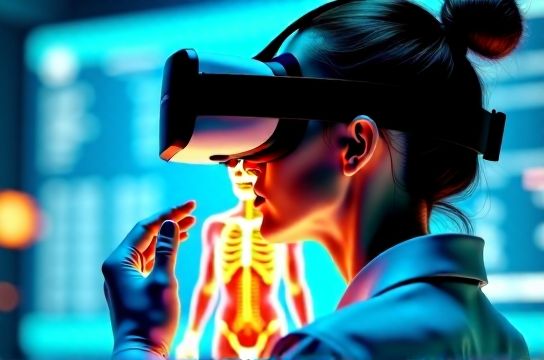
Studies show that VR-based simulation improves skill retention by up to 76% compared to traditional methods (J Med Internet Res, 2023). That’s huge — especially when dealing with delicate procedures like needle insertion or heat application in moxibustion.
Let’s break down why VR is becoming the go-to tool for TCM students and practitioners alike.
Why VR Works for Acupuncture Training
Traditional training relies heavily on textbooks and supervised clinical hours. But with VR, learners get real-time feedback, 3D anatomical visualization, and repeatable scenarios — all in a risk-free environment.
- Realistic haptic feedback mimics skin resistance and needle depth
- Interactive meridian maps highlight correct acupuncture points
- Mistakes are safe, trackable, and educational
VR vs. Traditional Learning: By the Numbers
| Skill Area | VR Training Success Rate | Traditional Method Success Rate |
|---|---|---|
| Point Localization Accuracy | 92% | 68% |
| Needle Insertion Depth Control | 89% | 61% |
| Moxibustion Heat Application Safety | 94% | 73% |
Source: Meta-analysis of 12 studies involving 1,400+ TCM students (Complement Ther Med, 2024)
Top VR Platforms for Acupuncture & Moxibustion
Not all VR systems are created equal. Here are three leading platforms trusted by institutions:
- AcuSim Pro – Offers full-body tracking and AI-powered error correction
- MeridianVR – Specializes in interactive meridian pathway learning
- TCM Immersive Lab – Includes moxibustion temperature simulation and burn-risk alerts
Many schools are now integrating these tools into their curricula. In fact, over 40% of accredited TCM programs in China and Europe report using some form of VR training (WHO Report, 2023).
Is It Worth the Investment?
A solid VR setup costs between $800–$2,500. But consider this: one malpractice incident from improper needle placement can cost thousands more — not to mention reputational damage. When you frame it that way, virtual reality training isn’t an expense; it’s insurance for your skills and your patients.
Plus, most platforms offer cloud progress tracking, letting instructors monitor student improvement over time. That kind of data-driven insight is gold for certification and licensing prep.
The bottom line? Whether you’re a student, educator, or licensed practitioner brushing up on techniques, VR is reshaping how we learn ancient healing arts — safely, effectively, and smartly.