Traditional Chinese Medicine in the United States Market Insights
- 时间:
- 浏览:154
- 来源:TCM1st
If you're curious about how Traditional Chinese Medicine (TCM) is gaining ground in the U.S., you’re not alone. As someone who’s been tracking holistic health trends for years, I’ve seen a major shift—more Americans are turning to ancient Eastern practices for chronic pain, stress, and immune support. And it’s not just hype: the data backs it up.
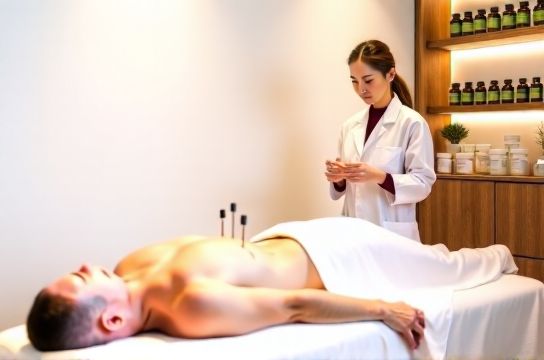
The U.S. TCM market was valued at $3.2 billion in 2023 and is projected to grow at a CAGR of 6.8% through 2030. That’s faster than many conventional supplement sectors. Why? Because people want alternatives with fewer side effects—and TCM delivers.
What’s Driving the Boom?
Three big factors: rising healthcare costs, opioid crisis fatigue, and Gen Z’s love for natural wellness. Acupuncture is now covered by over 50% of private insurance plans, and herbal supplements like astragalus and reishi are flying off shelves at Whole Foods and even Walmart.
But here’s the real tea: not all products are created equal. The FDA doesn’t regulate herbal supplements like drugs, so quality varies wildly. My advice? Stick to brands with third-party lab testing and clear sourcing—like Plum Flower or ActiveHerb.
Top TCM Modalities Gaining Popularity
Let’s break down the most adopted practices and their reported benefits based on NIH and NCCIH studies:
| Modality | Common Uses | Effectiveness (Based on Clinical Reviews) | Insurance Coverage |
|---|---|---|---|
| Acupuncture | Chronic pain, migraines, anxiety | High – especially for back pain | Yes, in 48 states |
| Herbal Formulas | Immunity, digestion, sleep | Moderate – depends on formulation | No (OTC only) |
| Cupping | Muscle recovery, inflammation | Low-Moderate – mostly anecdotal | Limited |
| Qi Gong / Tai Chi | Stress reduction, balance | High – strong mental health benefits | Sometimes in wellness programs |
As you can see, acupuncture stands out as the most clinically supported and accessible option. Meanwhile, herbal remedies require more caution due to inconsistent regulation.
Where to Access Quality Care
Look for practitioners licensed by the National Certification Commission for Acupuncture and Oriental Medicine (NCCAOM). There are over 40,000 certified practitioners nationwide, with clusters in California, New York, and Florida.
Major integrative clinics like Cleveland Clinic’s Center for Integrative & Lifestyle Medicine now offer TCM services, signaling mainstream acceptance.
For those exploring options, I always recommend starting with a combo of acupuncture and evidence-backed herbs. Want to dive deeper into safe herbal use? Check out our guide on Traditional Chinese Medicine safety tips.
In short: TCM isn’t a trend—it’s a transformation in American healthcare. With smarter regulations and growing research, its role will only expand. Whether you're skeptical or sold, one thing’s clear: this ancient system is here to stay.