WHO Strategy on Traditional Medicine Shaping Global Health
- 时间:
- 浏览:133
- 来源:TCM1st
If you're diving into the world of global health and alternative medicine, you’ve probably heard whispers about the WHO strategy on traditional medicine. But what’s it really about, and why should you care? Let me break it down — no fluff, just real talk backed by data and years of tracking public health trends.
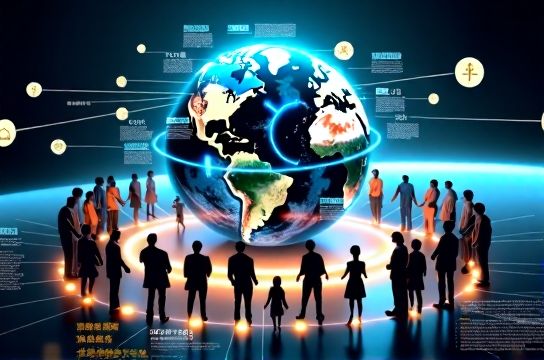
The World Health Organization (WHO) launched its Global Traditional Medicine Strategy 2023–2030 with a bold vision: integrate traditional and complementary medicine (T&CM) into national health systems — safely, effectively, and equitably. Why now? Because over 80% of people in low- and middle-income countries rely on traditional medicine for primary healthcare (WHO, 2023). That’s not a niche market — that’s most of the planet.
Let’s get into the numbers. Here’s how traditional medicine use stacks up globally:
| Region | % Using Traditional Medicine | Main Forms Used |
|---|---|---|
| Africa | 70–80% | Herbal remedies, spiritual healing |
| South-East Asia | 65–90% | Traditional Chinese Medicine, Ayurveda |
| Western Pacific | 40–75% | Acupuncture, herbal medicine |
| Europe | 30–50% | Homeopathy, phytotherapy |
This isn’t just about cultural preference. The WHO sees T&CM as a tool to boost health equity and reach underserved communities. In rural India, for example, Ayurvedic practitioners are often the first (and only) point of contact for care. Ignoring them means ignoring millions.
But here’s the kicker: integration doesn’t mean blind acceptance. The WHO stresses safety, quality, and evidence-based practice. They’re pushing for standardized training, regulation of herbal products, and clinical research. Case in point: artemisinin, derived from traditional Chinese herbs, is now a cornerstone of malaria treatment — science validated tradition.
Another big move? Digitalizing traditional knowledge. China and India have already built massive digital repositories of ancient remedies, cross-referenced with modern pharmacological data. This helps prevent misuse and supports innovation — like developing new drugs from time-tested formulas.
Still, challenges remain. Fake products, unlicensed practitioners, and lack of scientific validation plague the sector. That’s why the WHO recommends governments establish clear regulatory frameworks. Countries like Thailand and Cuba are leading the way, fully integrating traditional medicine into public hospitals.
Looking ahead, the WHO’s strategy could reshape how we define ‘modern’ medicine. It’s not East vs. West, ancient vs. modern — it’s about building a smarter, more inclusive system. And if you're working in global health, policy, or even wellness tech, this shift is your signal to adapt.
Want to stay ahead? Follow the WHO’s official updates on traditional medicine — because the future of health isn’t just high-tech labs. Sometimes, it’s rooted in centuries-old wisdom.