Belt and Road Initiative Promoting TCM Across Continents
- 时间:
- 浏览:124
- 来源:TCM1st
If you're into global health trends or China's soft power expansion, you’ve probably heard whispers about Traditional Chinese Medicine (TCM) going global — fast. But here’s the real tea: it’s not just acupuncture spreading through wellness clinics. The secret sauce? The Belt and Road Initiative (BRI). Yep, China’s massive infrastructure and trade project is doing more than building ports and railways — it’s quietly making TCM a household name from Southeast Asia to Eastern Europe.
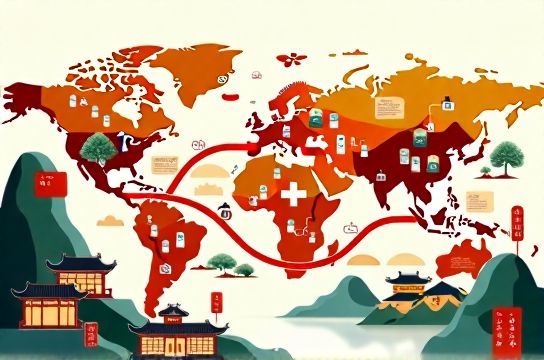
How BRI Became TCM’s Global Launchpad
Since its launch in 2013, the BRI has expanded to over 150 countries. What many miss is that alongside roads and rails, China has built TCM cooperation centers. As of 2023, there are over 30 official TCM centers in BRI countries, with major hubs in Kazakhstan, Serbia, and Thailand.
These aren’t pop-up herbal shops. They’re full-fledged clinics offering acupuncture, herbal prescriptions, and even TCM-based rehabilitation for stroke patients — all backed by state-level agreements.
The Numbers Don’t Lie: TCM’s Rising Global Footprint
Let’s talk data. According to China’s National Administration of Traditional Chinese Medicine, TCM exports hit $6.7 billion in 2022 — up 18% from 2020. And guess what? Over 70% of that growth came from BRI regions.
| Year | TCM Export Value (USD) | BRI Share (%) | Key Markets |
|---|---|---|---|
| 2020 | $5.6 billion | 62% | Russia, Vietnam, Pakistan |
| 2022 | $6.7 billion | 71% | Kazakhstan, Thailand, Serbia |
| 2023 (est.) | $7.3 billion | 74% | UAE, Egypt, Indonesia |
See the trend? It’s not just about selling herbs. It’s about integration. In Kyrgyzstan, TCM is now part of public hospital pilot programs. In Malaysia, joint ventures are producing BRI-approved TCM supplements for local pharmacies.
Why This Matters for Global Health
Skeptical? Fair. But consider this: in parts of Africa and Central Asia, where Western medicine access is spotty, TCM offers a low-cost, holistic alternative. Malaria? Artemisinin (derived from Artemisia annua, a TCM herb) remains a WHO-recommended treatment. Chronic pain? Acupuncture is now covered by insurance in Germany and parts of the U.S.
The BRI isn’t forcing TCM down throats — it’s filling gaps. And it’s working. A 2022 survey in Serbia showed 68% patient satisfaction in TCM pain clinics, rivaling conventional physiotherapy.
Challenges Ahead? Of Course.
Not everything’s smooth sailing. Regulatory hurdles remain high in the EU and North America. Standardization of herbal products? Still a mess. And let’s be real — some TCM practices lack robust clinical trials.
But China’s pushing hard. Through BRI science and tech partnerships, they’re funding joint research on TCM efficacy — like a recent China-UAE study on using Lingzhi mushrooms for immune support.
Bottom line: Whether you’re a skeptic or a believer, TCM’s global rise via the Belt and Road Initiative is one of the most underrated health stories of the decade. It’s not just medicine — it’s diplomacy, economics, and cultural exchange rolled into one.
So next time you hear “BRI,” don’t just think bridges. Think acupuncture needles, herbal formulas, and a whole new chapter in global health.