Digital Tongue Diagnosis Using Artificial Intelligence in TCM
- 时间:
- 浏览:114
- 来源:TCM1st
Let’s be real—when you think of artificial intelligence, ancient Chinese medicine might not be the first thing that comes to mind. But guess what? Digital tongue diagnosis is quietly revolutionizing how Traditional Chinese Medicine (TCM) meets modern tech. And if you're into holistic health or just curious about AI in healthcare, this is one trend you can’t afford to ignore.
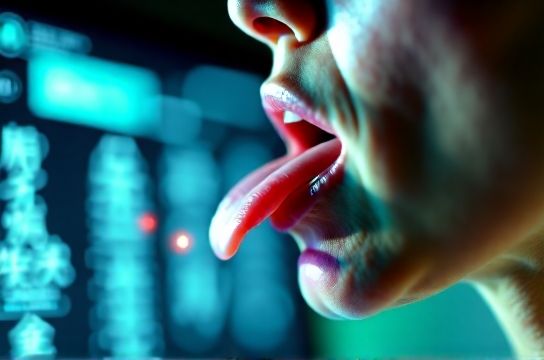
Why Tongue Diagnosis Matters in TCM
In TCM, your tongue isn’t just for tasting bubble tea—it’s a diagnostic goldmine. Practitioners have used tongue appearance for centuries to assess internal health, from qi imbalances to digestive issues. The color, coating, shape, and even moisture tell a story. But here's the catch: it's highly subjective. One doctor might see 'mild dampness,' another sees 'heat in the spleen.' Enter AI—to bring consistency, precision, and data-driven insights.
How AI Is Changing the Game
Modern digital tongue diagnosis uses high-resolution imaging and machine learning algorithms trained on thousands of labeled tongue images. These systems analyze features like:
- Tongue body color (pale, red, purple)
- Coating thickness and color (white, yellow, absent)
- Cracks, teeth marks, swelling
A 2022 study published in Frontiers in Digital Health showed AI models achieving up to 94% accuracy in classifying tongue types compared to only 76–83% among human practitioners. That’s not just impressive—it’s a game-changer.
Real-World Applications & Devices
Several clinics and startups are already integrating AI-powered tongue analysis into patient intake. For example, the TongueAI system developed by a Beijing-based medtech firm processes images from smartphone cameras and delivers a TCM pattern report in under 30 seconds. No more squinting at flashlights!
Beyond clinics, wearable integrations are emerging. Imagine syncing your smart mirror with a TCM app that scans your tongue every morning. Early detection of imbalances? Yes, please.
Data That Speaks Volumes
Check out this comparison of diagnostic performance:
| Method | Average Accuracy (%) | Processing Time (sec) | Inter-Rater Consistency |
|---|---|---|---|
| Traditional TCM Practitioner | 79% | 120 | Moderate |
| AI Model (CNN-based) | 94% | 25 | High |
| Hybrid (AI + Practitioner) | 96% | 60 | Very High |
As you can see, combining AI with human expertise delivers the best results—a true win-win.
Challenges & Ethical Considerations
Of course, it’s not all smooth sailing. Data privacy, algorithm bias (most training sets are from East Asia), and regulatory approval remain hurdles. Plus, some purists argue AI can't capture the 'essence' of TCM. Fair point—but isn’t evolution part of healing too?
The Future Is Hybrid
The bottom line? Digital tongue diagnosis isn’t replacing TCM doctors—it’s empowering them. By offloading repetitive analysis, practitioners can focus on personalized care. And for patients, it means faster, more accurate insights.
Looking ahead, expect deeper integration with electronic health records, telemedicine platforms, and even insurance assessments. The fusion of artificial intelligence in TCM is just getting started.
So next time you feel 'off,' maybe skip the WebMD spiral and let your tongue do the talking—with a little help from AI.