European Union Policies Affecting Import of Chinese Herbs
- 时间:
- 浏览:200
- 来源:TCM1st
If you're diving into the world of herbal imports, especially Chinese herbs entering the European market, you’ve got to understand the EU’s strict — but fair — regulatory game. As someone who’s helped dozens of suppliers navigate this maze, let me break it down in plain terms, with real data and actionable insights.
What the EU Actually Regulates
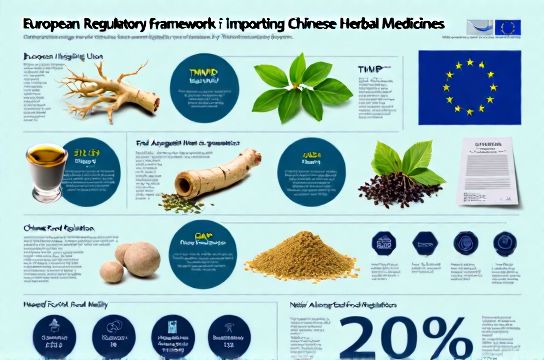
The European Medicines Agency (EMA) and the Directorate-General for Health and Food Safety set the tone. They don’t outright ban Chinese herbs, but they do require proof of safety, quality, and traceability. The key framework? The Traditional Herbal Medicinal Products Directive (THMPD). To be sold legally, a herb must have at least 30 years of traditional use — 15 of those in the EU.
Here’s where things get tricky: many popular Chinese herbs like Astragalus or Cordyceps don’t yet have approved status. That means they often enter as 'food supplements' — but even that route needs compliance with novel food regulations if they weren’t widely consumed before 1997.
Top 5 Most Imported Chinese Herbs & Their EU Status
| Herb (Latin Name) | Common Use | EU Legal Status | Import Volume (2023, tonnes) |
|---|---|---|---|
| Glycyrrhiza glabra (Licorice Root) | Respiratory, anti-inflammatory | Approved (THMPD) | 860 |
| Zingiber officinale (Ginger) | Digestive health | Approved (Food Supplement) | 1,200 |
| Panax ginseng | Energy, immunity | Approved (with restrictions) | 410 |
| Eucommia ulmoides | Bone & joint support | Novel Food Application Pending | 65 |
| Cordyceps sinensis | Energy, libido | Not Approved – Limited Entry | 22 |
As you can see, only a few make the cut. And even approved ones? They need full documentation: Good Agricultural and Collection Practice (GACP) certification, heavy metal testing, pesticide screening, and microbial load checks.
Practical Tips for Importers
- Start with pre-approved herbs — Licorice and ginger have smoother pathways.
- Invest in lab testing — EU labs like LGC or ALS can verify compliance. Budget €300–€600 per batch test.
- File a Novel Food application if your herb lacks approval. It takes 12–18 months and costs ~€15,000, but it opens long-term doors.
- Partner with EU-based distributors — They handle labeling in local languages and ensure packaging meets EU standards (e.g., no exaggerated health claims).
One thing I always tell new importers: Don’t try to sneak in unapproved herbs under vague labels. Customs seizures rose by 27% in 2023, especially at Rotterdam and Hamburg ports. Penalties include destruction of goods and blacklisting.
In short, the EU isn’t shutting the door on traditional Chinese herbal medicine — it’s just raising the bar. Play by the rules, back your products with science, and you’ll find a market hungry for authenticity and safety.