Sustainable Sourcing of Medicinal Herbs for Global Demand
- 时间:
- 浏览:107
- 来源:TCM1st
If you're diving into the booming world of herbal medicine — whether as a brand, practitioner, or conscious consumer — one thing you can't afford to ignore is sustainable sourcing of medicinal herbs. With global demand skyrocketing, traditional harvesting methods just aren’t cutting it anymore. Let’s break down why sustainability isn’t just eco-friendly fluff — it’s your business’s long-term survival strategy.
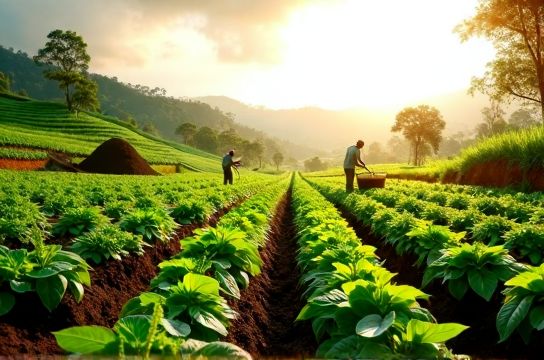
Why Sustainable Sourcing Matters Now More Than Ever
The global herbal supplements market is projected to hit $153 billion by 2030 (Grand View Research, 2023). But here's the catch: overharvesting has pushed species like Goldenseal, Saw Palmetto, and Chinese Caterpillar Fungus to the brink. In fact, over 60% of medicinal plants used globally are at risk due to unsustainable collection practices (WHO, 2022).
This isn’t just an environmental crisis — it’s a supply chain time bomb. Brands relying on wild-crafted herbs face volatility in availability, price spikes, and reputational risks. That’s where sustainable herb sourcing steps in as the game-changer.
Farm-Grown vs. Wild-Crafted: What’s Really Better?
Let’s bust a myth: 'wild' doesn’t always mean 'better'. While wild-harvested herbs often have higher phytochemical concentrations, unregulated collection leads to ecosystem collapse. On the flip side, cultivated herbs offer consistency, traceability, and scalability.
Check out this comparison:
| Factor | Wild-Crafted | Farm-Grown |
|---|---|---|
| Biodiversity Impact | High risk | Low to moderate |
| Supply Consistency | Unpredictable | Stable |
| Active Compound Levels | Variable | Controlled & consistent |
| Cost Over Time | Increasing | Stable or decreasing |
As you can see, farm-grown wins in reliability and long-term viability. But smart hybrid models — like agroforestry systems mimicking natural habitats — are emerging as best-in-class solutions.
How to Vet Your Suppliers Like a Pro
Not all 'sustainable' labels are created equal. Look for certifications like USDA Organic, FairWild, and ISO 16128. These ensure ethical labor practices, ecological balance, and chemical-free processing.
Pro tip: Ask suppliers for batch-specific chromatography reports. This shows transparency in active compound levels and contaminant screening — non-negotiables for quality control.
The Future Is Regenerative
Next-level sustainability? Regenerative herb farming. Unlike basic cultivation, regenerative agriculture improves soil health, captures carbon, and boosts local economies. Early adopters report up to 30% higher yields after five years — plus premium pricing from eco-conscious buyers.
Bottom line: The future of medicinal herbs isn’t just about meeting demand — it’s about rebuilding ecosystems while doing it. Whether you’re sourcing for a brand or recommending products, prioritize partners who invest in long-term ecological and social returns.
Want lasting impact? Make sustainable sourcing your standard, not your slogan.