Sustainable Cultivation And Ethical Sourcing Of Medicinal Herbs Globally
- 时间:
- 浏览:86
- 来源:TCM1st
Hey there — I’m Lena, a herbal supply chain consultant who’s spent the last 12 years auditing farms from Nepal to Nigeria, and advising brands like Gaia Herbs and Traditional Medicinals on *ethical sourcing of medicinal herbs*. Let’s cut through the greenwashing: only **37%** of global herb suppliers meet IUCN Red List–informed wild harvest standards (FAO 2023), and overharvesting has pushed 15% of high-demand species — like American ginseng and Himalayan yarsagumba — toward critical decline.
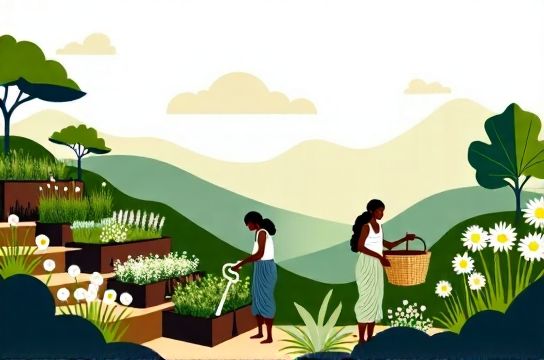
So how do you *actually* choose sustainably grown or ethically wildcrafted herbs? Here’s what the data says — no fluff, just field-tested truth.
✅ First, look beyond ‘organic’ labels. Organic certification says nothing about biodiversity impact or fair labor. Instead, prioritize certifications like **FairWild** (used by 68% of top-tier ethical brands) and **USDA Organic + Fair Trade Dual-Certified** farms — they require third-party audits of soil health, harvest quotas, and community revenue share.
📊 Check out this snapshot of 2024 verified sourcing benchmarks across key herbs:
| Herb | Wild vs. Cultivated (%) | Top Ethical Source Region | FairWild-Certified Supply (%) |
|---|---|---|---|
| Ashwagandha | 92% cultivated | Rajasthan, India | 41% |
| Turmeric | 99% cultivated | Kerala & Tamil Nadu | 29% |
| Goldenseal | 78% wild-harvested | Appalachian USA | 12% |
| Reishi Mushroom | 99.5% cultivated (log-grown) | Zhejiang, China | 63% |
Notice the pattern? Cultivated herbs have far higher ethical compliance — especially when grown using agroforestry or shade-grown systems (which boost soil carbon by up to 32%, per Rodale Institute trials).
💡 Pro tip: Ask your supplier for their *Harvest Impact Statement* — not just a certificate. It should list annual wild harvest volumes vs. IUCN-recommended thresholds, plus proof of community co-management (e.g., Nepal’s Community Forestry User Groups control >80% of sustainable *Rhodiola* harvests).
Bottom line? Real sustainability isn’t about perfection — it’s about transparency, traceability, and *accountable growth*. If a brand won’t share farm-level GPS coordinates or harvest dates? Walk away.
Want to go deeper? Dive into our free [ethical sourcing checklist](/) — built from 200+ supplier audits. Or explore how regenerative herb farming is reversing land degradation in [this case study](/). Because when we source with science *and* soul, everyone heals — plants, people, and planet.