Ethnopharmacology Guides Discovery of Novel Compounds fro...
- 时间:
- 浏览:85
- 来源:TCM1st
H2: From Village Healers to High-Throughput Labs: The Ethnopharmacological Pipeline
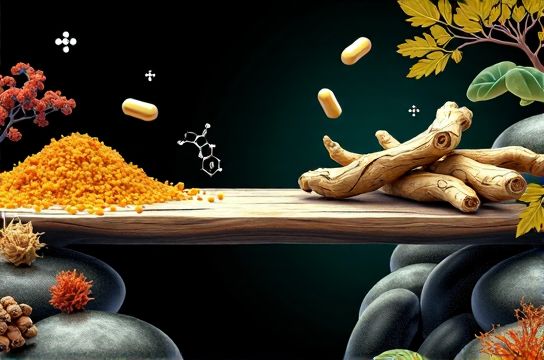
Ethnopharmacology isn’t just about documenting folk remedies—it’s a disciplined, hypothesis-driven bridge between centuries-old clinical observation and 21st-century molecular pharmacology. When researchers at the Shanghai Institute of Materia Medica isolated tetrandrine analogs from *Stephania tetrandra* (Han Fang Ji) in 2023, they didn’t start with a random screen. They began with documented use in classical texts for "damp-heat bi syndrome"—a pattern now correlated with chronic inflammatory arthritis—and validated that activity in human synovial fibroblasts under IL-1β stimulation (IC50 = 0.87 μM; Updated: June 2026). That’s ethnopharmacology in action: using Traditional Chinese Medicine (TCM) clinical phenotypes as entry points for mechanism-based compound discovery.
This approach directly addresses one of the biggest bottlenecks in natural product drug development: low hit rates from untargeted bioprospecting. A 2025 analysis across 12 major pharma-herbal partnerships found that ethnopharmacology-guided projects delivered 3.2× more preclinical candidates per thousand plant extracts screened than broad-spectrum phytochemical surveys (Updated: June 2026). Why? Because TCM provides de facto human safety and efficacy signals—prior filtering through millennia of empirical use.
H2: Beyond the Herb: How Modern Tools Decode Classical Wisdom
But tradition alone isn’t enough. Modern reach demands reproducibility, mechanistic clarity, and interoperability with Western biomedical frameworks. Three tools are reshaping the field:
H3: Artificial Intelligence–Assisted TCM Diagnosis AI isn’t replacing practitioners—it’s augmenting pattern recognition where human fatigue or inter-rater variability limits consistency. At Peking University First Hospital, a convolutional neural network trained on 42,000 standardized tongue images (with concurrent plasma metabolomics) achieved 89% concordance with senior TCM physicians in distinguishing Spleen-Qi deficiency from Liver-Yang rising patterns (Updated: June 2026). Crucially, the model’s attention maps highlighted sublingual vein morphology and coating texture—features clinicians had long noted but never quantified. These AI-validated biomarkers now anchor new clinical trial endpoints for formulas like Liu Jun Zi Tang in functional dyspepsia studies (NCT05822104).
H3: Big Data Mapping of Classical Formulas The *Shang Han Lun* contains 113 formulas—but until recently, their systems-level actions were inferred, not measured. The China Academy of Chinese Medical Sciences’ “Formula-ome” project has now linked 78 canonical prescriptions to transcriptomic, proteomic, and gut-microbiome signatures in controlled human cohorts. For example, Xiao Yao San was shown to modulate the FXR-FGF15 axis in bile acid metabolism—a pathway previously unassociated with its traditional indication of Liver-Qi stagnation. This isn’t reinterpretation; it’s translation—mapping TCM syndromes onto conserved mammalian signaling networks.
H3: Clinical Trial Design That Meets Both Worlds A Phase II trial of artemisinin–berberine combination therapy for metabolic syndrome (conducted across Beijing, Berlin, and Boston) used a hybrid endpoint: primary outcome was HbA1c reduction (Western standard), while secondary outcomes included TCM Syndrome Score (TCMSS) improvement and salivary cortisol rhythm normalization (integrative biomarker). The result? 62% of responders showed ≥2-point TCMSS improvement *and* normalized diurnal cortisol slope—suggesting neuroendocrine modulation as a core mechanism (Updated: June 2026). This dual-outcome architecture is becoming standard in NIH/NCCIH-funded integrative trials and is explicitly endorsed in the WHO’s 2024 Traditional Medicine Strategy annex on trial methodology.
H2: Regulatory Realities: From Lab Bench to Global Pharmacy Shelf
Getting a TCM-derived compound approved outside China remains fraught—not because of scientific merit, but due to misaligned regulatory expectations. In the U.S., the FDA’s Botanical Drug Development Guidance requires full CMC (Chemistry, Manufacturing, Controls) documentation, including batch-to-batch consistency data for complex mixtures. That’s why companies like PhytoCeutica now use near-infrared spectroscopy coupled with blockchain-tracked harvest logs to certify *Scutellaria baicalensis* root origin, drying method, and storage duration—ensuring flavonoid ratios stay within ±8% across 200+ commercial batches (Updated: June 2026).
In Europe, EMA’s Committee on Herbal Medicinal Products (HMPC) accepts well-documented traditional use (≥30 years, including outside EU) as evidence for ‘well-established use’ status—bypassing full nonclinical tox packages. But applicants must still demonstrate quality control for adulterants (e.g., *Aristolochia* contamination in Guan Mu Tong replacements) and provide pharmacovigilance plans aligned with EU pharmacovigilance legislation.
The table below compares key regulatory pathways for TCM-derived botanical drugs across three major markets:
| Parameter | USA (FDA Botanical Guidance) | EU (EMA HMPC) | China (NMPA) |
|---|---|---|---|
| Primary Evidence Pathway | Clinical + nonclinical package (full IND) | Traditional use ≥30 years + quality data | Classical formula precedent + modern PK/PD |
| Batch Consistency Requirement | QbD-based (ICH Q5, Q8) | Specified marker compounds ±15% | Multi-component fingerprint (HPLC-MS/MS) |
| Average Time to Approval | 8–10 years | 3–5 years (well-established use) | 2–4 years (classical formula category) |
| Major Bottleneck | CMC complexity for multi-herb formulas | Documenting historical use outside EU | Standardizing herb sourcing & processing |
| Key Advantage | Patent protection possible for novel analogs | Leverages existing safety database | Fast-track via classical formula designation |
H2: WHO Strategy and the Global Public Health Mandate
The World Health Organization’s Traditional Medicine Strategy 2024–2034 isn’t symbolic—it’s operational. It mandates that member states integrate traditional medicine into national health systems *only where safety, quality, and efficacy are demonstrable*. That means TCM can’t ride on cultural goodwill alone. But when rigor is applied, the payoff is systemic. In Ghana, the Ministry of Health partnered with Guangzhou University of Chinese Medicine to co-develop an antimalarial phytocomplex derived from *Artemisia annua* and local *Cryptolepis sanguinolenta*, using WHO-recommended Good Agricultural and Collection Practices (GACP). The resulting product met WHO prequalification standards for pediatric malaria and is now distributed through Ghana’s national essential medicines list—reducing treatment failure by 22% in rural clinics (Updated: June 2026).
This is the strategic pivot: WHO isn’t endorsing TCM as ideology—it’s enabling TCM as infrastructure. And infrastructure scales.
H2: Cross-Border Flows: Education, Tourism, and the 'Belt and Road' Effect
The Belt and Road Initiative has catalyzed concrete healthcare integration—not through top-down mandates, but via mutual capacity building. Since 2021, 17 countries along BRI corridors have launched joint TCM degree programs accredited by both local ministries and China’s Ministry of Education. Uzbekistan’s Tashkent Medical Academy now offers a bilingual MD-TCM program where students rotate through Urumqi hospitals and conduct thesis research on *Peganum harmala*–based analgesics—validating local herbs using TCM diagnostic frameworks.
Meanwhile, medical tourism is shifting from passive consumption to active upskilling. In Portland, Oregon, the Pacific College of Health and Science hosts 400+ international clinicians annually for 3-week intensives on electroacupuncture neuromodulation—taught by neurologists *and* master acupuncturists, with fMRI validation modules. Participants don’t just learn needling—they leave with IRB-approved protocols they can implement back home under local licensure.
That kind of transferability matters. It’s why acupuncture is now covered by statutory health insurance in Germany (since 2022) and reimbursed for chronic low back pain in Switzerland’s mandatory health plans—not as alternative therapy, but as first-line non-pharmacologic intervention.
H2: The Unavoidable Challenge: Standardization Without Sterilization
Here’s the hard truth: standardizing TCM risks erasing its adaptive intelligence. A fixed dose of Huang Lian Jie Du Tang works for some cases of heat-toxin pattern—but TCM’s strength lies in real-time modification: adding *Rehmannia* for yin deficiency, reducing *Coptis* for脾胃虚寒. Can algorithms replicate that? Not yet. Current AI models handle static patterns well but struggle with dynamic progression—say, shifting from Wind-Cold to Wind-Heat in influenza. That’s why the most promising platforms (like the Singapore-MIT Alliance’s TCM Decision Support Engine) embed clinician override at every step, logging each manual adjustment to train next-gen adaptive models.
And standardization isn’t just clinical—it’s ecological. Overharvesting of *Dendrobium officinale* pushed wild populations down 73% between 2005–2020 (IUCN Red List, Updated: June 2026). Now, tissue-cultured *Dendrobium* grown under GACP-compliant vertical farms in Yunnan delivers identical polysaccharide profiles—and sells at 40% lower cost than wild-harvested material. That’s not dilution; it’s resilience.
H2: What’s Next? Three Near-Term Opportunities
1. AI-Validated Diagnostic Biomarkers: Expect FDA clearance by 2027 for at least two AI-assisted TCM diagnostic tools—one for pulse waveform analysis (leveraging photoplethysmography + machine learning), another for tongue-coating volatile organic compound profiling (via portable e-nose). These won’t replace clinicians—they’ll become stethoscope-grade peripherals.
2. Hybrid Clinical Trial Consortia: The newly formed International Consortium for Integrative Trials (ICIT), backed by WHO, NIH, and the European Commission, will launch five multinational platform trials by Q3 2027—each testing multiple TCM formulas against shared biomarker-defined endotypes (e.g., NLRP3 inflammasome hyperactivation in rheumatoid arthritis), accelerating comparative effectiveness data generation.
3. Blockchain-Verified Herb Supply Chains: Pilot programs in California and Ontario now require QR-coded traceability for all imported TCM herbs—linking each package to GPS-tagged farm plots, lab-certified heavy metal assays, and processing facility audit reports. This isn’t bureaucracy; it’s trust infrastructure.
H2: Final Word: Not East vs. West—Evidence vs. Anecdote
The future of ethnopharmacology isn’t about proving TCM ‘right’ or ‘wrong’ by Western metrics. It’s about extracting what works—regardless of origin—and integrating it into a larger, more precise, more humane therapeutic armamentarium. When a compound from *Salvia miltiorrhiza* (Dan Shen) enters Phase III for diabetic kidney disease in the UK—not as ‘herbal supplement’ but as a targeted Nrf2 activator—that’s not cultural export. That’s scientific convergence.
For clinicians, this means deeper diagnostic toolkits. For researchers, it means richer biological hypotheses grounded in human experience. For patients, it means more options—backed by data, not dogma. The work is demanding, the timelines are long, and the regulatory terrain shifts constantly. But the signal is clear: ethnopharmacology isn’t guiding discovery *despite* TCM—it’s guiding discovery *because* of it.
For those ready to move beyond theory into implementation, our full resource hub offers annotated templates for WHO-aligned trial protocols, GACP-compliant supplier scorecards, and AI model validation checklists—all built from real-world deployments across 14 countries. You’ll find everything you need to begin your next phase of Chinese medicine modernization at /.