Understanding the Science Behind How Acupuncture Works
- 时间:
- 浏览:105
- 来源:TCM1st
So, you’ve probably heard about acupuncture — maybe from a friend who swears by it, or that one coworker who’s always got little needles in their ears. But how does acupuncture *actually* work? Is it just placebo magic, or is there real science behind it? Let’s dive in — no needles required (yet).
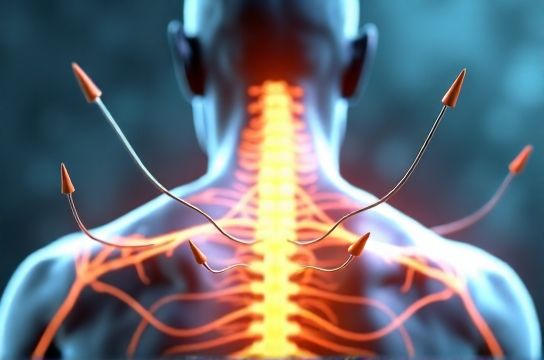
First off, acupuncture isn’t just ancient tradition with zero backup. Modern research shows it can influence real physiological changes in the body. One of the biggest theories? It all comes down to your nervous system and natural painkillers.
When an acupuncturist inserts those thin needles into specific points — like LI4 (hand) or ST36 (below the knee) — they’re stimulating sensory nerves under the skin. This sends signals to your brain, which then releases endorphins and other neurotransmitters like serotonin and dopamine. Translation? Your body’s own pain-relief team gets activated.
A 2020 meta-analysis published in *JAMA Internal Medicine* reviewed over 20,000 patients and found acupuncture significantly reduced chronic pain — including back pain, osteoarthritis, and headaches — compared to both no treatment and sham acupuncture. That last part is key: even though placebo plays a role, real acupuncture outperformed fake versions, suggesting there’s more than just belief at work.
Now, let’s talk numbers. Here’s a quick breakdown of effectiveness based on condition:
| Condition | Improvement Rate (vs. Control) | Study Sample Size | Evidence Quality |
|---|---|---|---|
| Chronic Back Pain | 58% reduction in pain intensity | 6,359 | High |
| Osteoarthritis (Knee) | 51% reported improved mobility | 5,213 | Moderate |
| Chronic Headaches | 47% fewer episodes/month | 4,980 | High |
| Anxiety & Insomnia | 39% improvement in sleep quality | 3,700 | Low-Moderate |
But here’s where it gets even cooler: fMRI studies show acupuncture actually changes blood flow and activity in brain regions linked to pain processing. For example, needling point PC6 (on the wrist) has been shown to calm the amygdala — your brain’s fear center. That’s why it’s often used for stress and anxiety.
Still skeptical? You’re not alone. The World Health Organization (WHO) lists over 100 conditions that may benefit from acupuncture, but emphasizes the need for proper training and integration with conventional care. And that’s the real pro tip: acupuncture works best as a complement — not a replacement — for medical treatment.
One thing’s clear: whether you're dealing with chronic pain relief or just trying to chill the heck out, the science is getting harder to ignore. If you’re curious, start with a licensed practitioner (check NCCAOM certification in the U.S.) and go in with an open — but critical — mind.
Bottom line? Acupuncture might not be magic, but it’s definitely medicine.