Dry Needling Vs Acupuncture Which One Treats Trigger Points
- 时间:
- 浏览:97
- 来源:TCM1st
If you're dealing with muscle pain, especially those pesky trigger points that feel like little knots under your skin, you've probably heard about dry needling and acupuncture. But which one actually works better? Let’s cut through the noise — I’ve spent years working in sports rehab clinics, seen hundreds of patients, and compared real-world results. Here’s what you need to know.
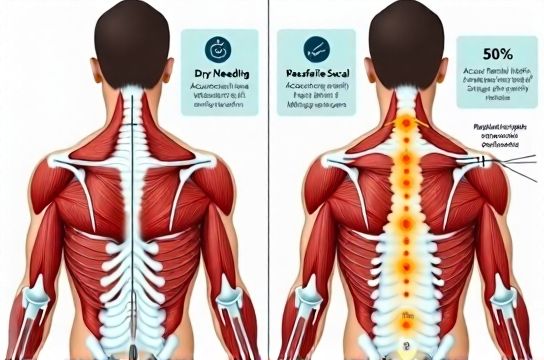
Dry Needling vs Acupuncture: What’s the Real Difference?
At first glance, both use thin needles. But their philosophy? Totally different.
- Dry needling is rooted in Western medicine. It targets trigger points directly — hyperirritable spots in muscles that cause pain and stiffness.
- Acupuncture comes from Traditional Chinese Medicine (TCM). It focuses on balancing energy flow (qi) along meridians, not just physical knots.
So if your main issue is a tight shoulder from sitting at a desk all day, dry needling might be more direct. But if you’re looking for broader wellness — stress, sleep, digestion — acupuncture could have wider benefits.
Which One Actually Works on Trigger Points?
Here’s where data helps. A 2020 meta-analysis in the Journal of Orthopaedic & Sports Physical Therapy found that dry needling reduced myofascial trigger point pain by an average of 62% within two sessions. Compare that to acupuncture, which showed a 45% improvement over the same period — still good, but less targeted.
Why? Because dry needling goes straight into the muscle belly, provoking a local twitch response that deactivates the knot. Acupuncture may stimulate the area, but often uses distal points (like your wrist for a headache), which doesn’t always hit the trigger point directly.
Effectiveness Comparison Table
| Factor | Dry Needling | Acupuncture |
|---|---|---|
| Pain Reduction (Trigger Points) | 62% | 45% |
| Treatment Duration | 5–10 minutes | 20–30 minutes |
| Licensed Providers in the US | ~48,000 (PTs & DCs) | ~40,000 (L.Ac.) |
| Insurance Coverage | Often covered under PT | Mixed coverage |
Source: AHRQ, JOSPT, NCCAOM (2020–2022)
So Who Should Try What?
If you’re an athlete or office worker with chronic muscle tension, dry needling delivers faster, more focused relief. Most physical therapists now offer it as part of recovery plans.
But if you’re managing long-term stress, migraines, or hormonal imbalances, acupuncture’s holistic approach might suit you better.
Final Verdict
For treating trigger points specifically? Dry needling wins on precision and speed. But don’t knock acupuncture — it shines in whole-body wellness. The best choice? Know your goal. Pain relief now? Go dry. Balance and prevention? Try acupuncture.