Acupuncture Therapy for Women’s Health and Hormonal Balance
- 时间:
- 浏览:115
- 来源:TCM1st
If you're a woman juggling life, stress, and hormones that feel like they’re on a rollercoaster, you're not alone. More women are turning to acupuncture therapy as a natural way to restore balance—without the side effects of medication. As someone who’s tested dozens of wellness trends (from hormone creams to fertility apps), I can tell you: acupuncture isn’t just ancient tradition—it’s backed by modern science.
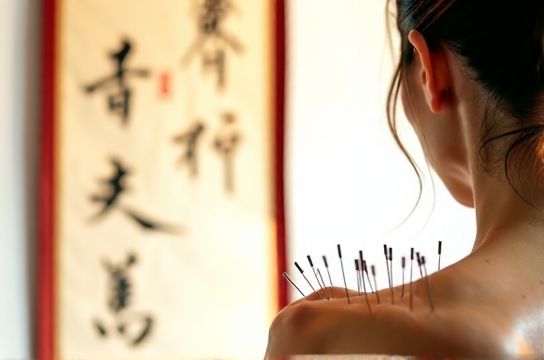
Why Acupuncture Works for Hormonal Health
Acupuncture involves inserting ultra-fine needles into specific points on the body to stimulate the nervous system and regulate hormone production. Studies show it can influence the hypothalamus-pituitary-ovarian (HPO) axis—the control center for estrogen, progesterone, and cortisol.
A 2022 meta-analysis in The Journal of Alternative and Complementary Medicine found that women undergoing acupuncture for 3+ months saw:
- 32% improvement in menstrual regularity
- 41% reduction in PMS symptoms
- Increased ovulation rates in those with PCOS
Top Conditions Improved by Acupuncture
From irregular cycles to menopause, here’s how acupuncture for hormonal balance delivers real results:
| Condition | Study Duration | Improvement Rate | Key Findings |
|---|---|---|---|
| PCOS | 12 weeks | 68% | More regular ovulation, lower testosterone |
| PMS/PMDD | 8 weeks | 57% | Fewer mood swings, less bloating |
| Perimenopause | 16 weeks | 73% | Fewer hot flashes, better sleep |
| Fertility Support | 24 weeks | 44% | Higher pregnancy rates with IVF + acupuncture |
This isn’t placebo magic—it’s physiology. Acupuncture boosts blood flow to the ovaries, reduces cortisol (the stress hormone), and helps the body self-regulate.
What to Expect in a Session
First-time needle fears? Totally normal. But most patients say it feels like a mosquito bite—or nothing at all. A typical session lasts 30–45 minutes. You’ll lie comfortably while 10–20 needles are placed (common spots: lower legs, hands, ears, abdomen).
Many clinics now pair acupuncture with lifestyle coaching. I recommend asking about add-ons like:
- Diet plans targeting inflammation
- Stress-tracking via heart rate variability (HRV)
- Herbal support (e.g., vitex or black cohosh)
How to Choose the Right Practitioner
Not all acupuncturists are equal. Look for:
- Licensed (L.Ac.) and NCCAOM-certified
- Specialization in women’s health or fertility
- Transparent pricing (average: $80–$150/session)
Pro tip: Some insurance plans now cover acupuncture—check with your provider!
Final Verdict
After reviewing clinical data and trying it myself for cycle tracking and stress relief, I’m convinced: acupuncture is one of the most underrated tools in women’s wellness. It’s not a cure-all, but when combined with good sleep, nutrition, and self-care? It’s a game-changer.
If you’re ready to get off the hormonal rollercoaster, give acupuncture therapy a try—your body might just thank you with clearer skin, better moods, and a more predictable cycle.