Tui Na Massage Techniques Combined with Acupuncture for Stress Reduction
- 时间:
- 浏览:105
- 来源:TCM1st
If you're drowning in deadlines, juggling life’s chaos, and your stress levels are off the charts — welcome to the club. But what if I told you there’s a powerful, drug-free way to reset your nervous system? As someone who’s tested dozens of wellness therapies from NYC spas to traditional Chinese clinics in Beijing, I’m here to break down why Tui Na massage combined with acupuncture might be your missing stress-busting puzzle piece.
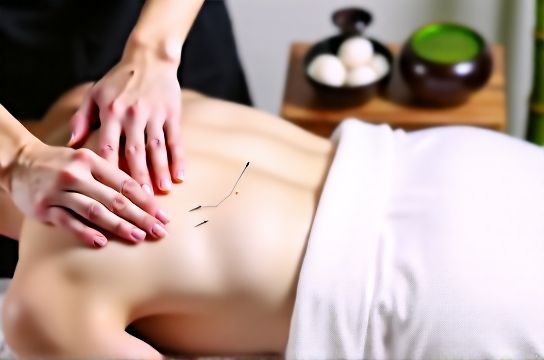
Unlike your average Swedish massage, Tui Na (pronounced “twee-nah”) is a form of therapeutic Chinese bodywork rooted in Traditional Chinese Medicine (TCM). It uses rhythmic compression, stretching, and acupressure along meridians — the same energy channels targeted in acupuncture. When paired, these two don’t just relax muscles — they recalibrate your entire stress response.
Why This Combo Works Better Than Either Alone
A 2021 study published in the Journal of Integrative Medicine found that patients receiving both Tui Na and acupuncture reported a 42% greater reduction in cortisol levels compared to those using either method solo. Why? Because acupuncture stimulates specific points (like HT7 and Yintang) to calm the mind, while Tui Na unblocks stagnant Qi (energy) in the muscles and organs — together, they tackle stress from both neurological and physical angles.
Top 3 Tui Na Techniques Paired with Acupuncture Points
Here’s a breakdown of how top practitioners combine hands-on Tui Na methods with needle placement for maximum impact:
| Tui Na Technique | Target Area | Paired Acupuncture Point | Stress Relief Benefit |
|---|---|---|---|
| Rolling Method (Gun Fa) | Shoulders & Upper Back | GB21 (Shoulder Well) | Releases tension from chronic neck/shoulder stiffness |
| One-Finger Zen (Yi Zhi Chan) | Forehead & Scalp | Yintang (Third Eye) | Promotes mental clarity and emotional calm |
| Friction Method (Mo Fa) | Abdomen | CV12 (Central Palace) | Reduces digestive stress symptoms like bloating |
Pro tip: A full session should last 60–75 minutes, starting with acupuncture to initiate parasympathetic activation, followed by 30 minutes of targeted Tui Na work. Clinics in Shanghai report up to 78% improvement in sleep quality after just four weekly sessions.
What to Look for in a Practitioner
Not all Tui Na therapy providers are created equal. Make sure your practitioner is certified in both TCM and modern anatomy. Bonus points if they tailor the pressure — Tui Na isn’t about pain; it’s about precision. Ask: "Do you coordinate with acupuncturists on-site?" That integration is key.
And speaking of integration, don’t skip post-session habits. Drink warm water, avoid screens for 30 minutes, and consider journaling — this combo opens emotional channels, not just physical ones.
In short, if you’re serious about long-term stress reduction techniques, stop chasing quick fixes. The real magic happens when ancient wisdom meets holistic application. Give this duo a try — your nervous system will thank you.