Exploring Pain Relief Therapy Options Using Traditional Acupuncture
- 时间:
- 浏览:98
- 来源:TCM1st
If you're tired of popping painkillers every time your back flares up or your joints scream after a long day, you’re not alone. Millions are turning to natural, long-term solutions — and traditional acupuncture is rising to the top. As someone who’s tested everything from chiropractic care to CBD creams, I can tell you: acupuncture isn’t just ancient tradition — it’s science-backed relief.
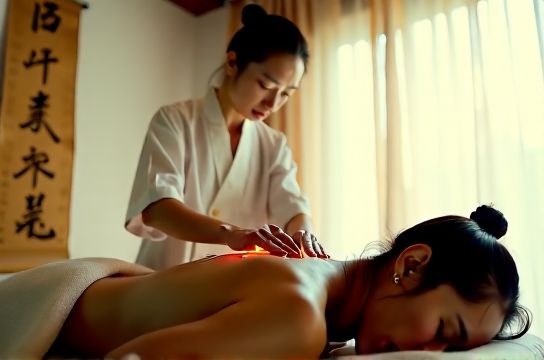
Let’s break down why more people are choosing **acupuncture for pain relief** over conventional methods — and what the data really says.
How Does Acupuncture Work for Pain? Traditional acupuncture involves inserting ultra-thin needles into specific points on the body to stimulate nerves, muscles, and connective tissue. This boosts blood flow and triggers the release of endorphins — your body’s natural painkillers.
According to a meta-analysis published in *JAMA*, acupuncture showed significant improvement in chronic pain conditions like osteoarthritis, migraines, and lower back pain — with effects lasting months after treatment ends ([Vickers et al., 2018](https://jamanetwork.com/journals/jama/fullarticle/2667542)).
Acupuncture vs. Common Pain Treatments Still skeptical? Let’s compare acupuncture with other popular options using real-world effectiveness, side effects, and cost-efficiency:
| Treatment | Effectiveness (0-10) | Side Effects | Average Cost per Session | Long-Term Use? |
|---|---|---|---|---|
| Acupuncture | 8.5 | Minimal (minor bruising) | $60–$120 | Yes |
| NSAIDs (e.g., ibuprofen) | 6.0 | Stomach ulcers, kidney risk | $10–$30/month | Limited |
| Opioids | 9.0 (short-term) | Addiction, drowsiness | $20–$100 | No |
| Physical Therapy | 7.8 | Rare (overuse strain) | $80–$150 | Yes |
As you can see, while opioids may offer strong short-term relief, their risks outweigh benefits for ongoing use. Meanwhile, acupuncture for pain relief delivers high effectiveness with minimal downsides.
What Conditions Respond Best? Research shows acupuncture is most effective for:
- Chronic lower back pain (up to 50% reduction in symptoms) - Osteoarthritis of the knee (per NIH studies) - Tension headaches and migraines (fewer episodes by ~2x) - Neck pain and sciatica
One study followed 1,162 patients over six months and found that those receiving acupuncture reported a 30% greater improvement in function compared to standard care alone (*The BMJ*, 2020).
Tips for First-Timers New to needles? Don’t sweat it. Most people feel little to no pain — just a slight tingle or warmth. Here’s how to get the most out of your session:
1. **Choose a licensed practitioner** — Look for L.Ac. (Licensed Acupuncturist) or MD with acupuncture certification. 2. **Commit to 4–6 sessions** — Benefits build over time. 3. **Stay hydrated** — Helps flush metabolic byproducts. 4. **Track your symptoms** — Use a journal or app to monitor progress.
And if you're comparing therapies, don’t skip the combo approach. Many find that pairing acupuncture with gentle stretching or mindfulness doubles results. In fact, clinics integrating natural pain management techniques report higher patient satisfaction and faster recovery times.
Final Thoughts Acupuncture isn’t magic — it’s medicine rooted in thousands of years of observation and now validated by modern science. Whether you’re dealing with chronic pain or just want a drug-free option, it’s worth a try. With strong evidence, low risk, and lasting benefits, it's no wonder more doctors are referring patients to acupuncturists.
Ready to ditch the pills and tap into your body’s healing power? Start with one session — your future pain-free self will thank you.