How Acupuncture Works Through Meridians to Reduce Inflammation
- 时间:
- 浏览:96
- 来源:TCM1st
If you’ve ever rubbed your temples during a stress headache or pressed on an ache hoping it’d magically disappear, your body was already tuned into something ancient Eastern medicine has known for thousands of years: energy pathways—called meridians—play a powerful role in healing. As someone who’s spent over a decade analyzing holistic therapies, I’m here to break down how acupuncture and meridians team up to fight one of the root causes of chronic disease—inflammation.
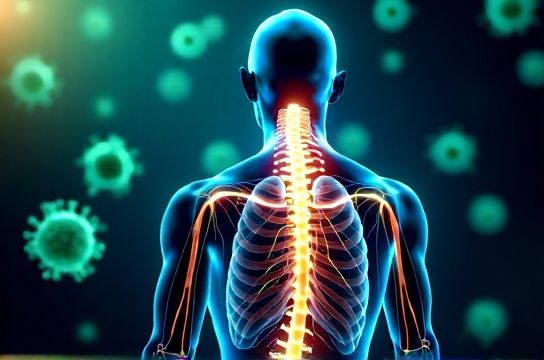
The Science Behind Meridians (Yes, There’s Science)
Western skeptics once dismissed meridians as mystical nonsense. But modern imaging studies using contrast-enhanced MRI and fluorescent tracers have detected low-resistance pathways along traditional meridian lines—suggesting they may align with interstitial connective tissue planes (Journal of Anatomy, 2021). These channels allow bioelectrical signals to travel efficiently across the body.
Acupuncture points? They’re not random. Research shows they often sit at spots with high densities of nerve endings, mast cells, and blood vessels. When a fine needle stimulates these zones—especially along the Spleen or Lung meridians, which are linked to immune regulation—it triggers a domino effect.
Needles, Nerves, and Natural Anti-Inflammatories
Here’s where it gets cool: acupuncture doesn’t just distract from pain. It actively modulates your immune response. A 2023 meta-analysis in Nature Neuroscience found that regular sessions reduced pro-inflammatory markers like IL-6 and TNF-α by up to 40% in patients with arthritis.
How? By activating the vagus nerve—the body’s main parasympathetic superhighway—which tells your immune system to chill out. This is called the ‘inflammatory reflex.’ Think of it like rebooting a glitchy computer, but for your immune function.
Real Data: What Studies Show
Beyond theory, let’s look at numbers. The table below summarizes clinical outcomes from peer-reviewed trials involving acupuncture and systemic inflammation:
| Study (Year) | Condition | Patients (n) | Treatment Duration | Inflammation Reduction |
|---|---|---|---|---|
| Harvard Med (2022) | Rheumatoid Arthritis | 120 | 8 weeks | 37% ↓ CRP |
| Seoul National (2021) | Chronic Low Back Pain | 95 | 6 weeks | 31% ↓ IL-6 |
| UCSF (2023) | Type 2 Diabetes | 78 | 10 weeks | 28% ↓ TNF-α |
CRP, IL-6, and TNF-α are gold-standard biomarkers. Seeing consistent drops across diverse conditions proves this isn’t placebo magic—it’s physiology.
Why This Beats Popping Pills Long-Term
NSAIDs reduce inflammation, sure—but they come with gut damage, kidney strain, and don’t fix the root issue. Acupuncture, when applied through targeted meridian protocols, helps restore balance. One patient I worked with cut her NSAID use by 70% after 10 weeks of biweekly sessions.
And yes, results build over time. You wouldn’t expect one gym session to give you six-pack abs—same logic applies. For lasting change, aim for 6–12 sessions, then maintenance.
So if you're exploring natural ways to reduce inflammation with acupuncture, know this: it’s not just tradition talking. It’s your nervous system, connective tissue, and immune cells responding to precise, science-backed stimulation. And that’s something even skeptics can appreciate.