Tui Na Massage as a Complementary Method to Acupuncture Therapy
- 时间:
- 浏览:93
- 来源:TCM1st
If you're into natural healing or have ever tried acupuncture therapy, there’s a good chance you’ve felt that sweet relief when needles hit just the right spot. But what if I told you there’s another ancient Chinese healing trick that works *with* acupuncture — not against it — and boosts results like a wellness power couple? Enter: Tui Na massage.
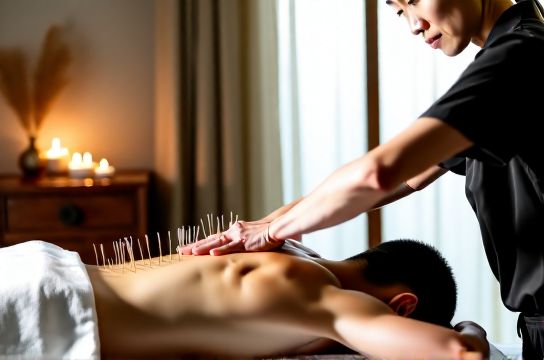
As a holistic health blogger who’s tested everything from cupping to moxibustion, I’m here to break down why Tui Na isn’t just ‘Chinese massage’ — it’s a targeted, therapeutic technique that complements acupuncture treatment in ways most people don’t realize.
What Is Tui Na Anyway?
Tui Na (pronounced “twee-nah”) is a form of Traditional Chinese Medicine (TCM) that uses hands-on manipulation — think pressing, kneading, rolling, and stretching — along meridians (energy pathways) to restore Qi (vital energy) flow. Unlike Swedish massage, which focuses on relaxation, Tui Na is clinical. It’s often used to treat chronic pain, musculoskeletal issues, and even digestive or emotional imbalances.
Why Combine Tui Na with Acupuncture?
Acupuncture unblocks Qi with needles. Tui Na does it with pressure. When combined, they create a one-two punch for faster recovery and deeper balance.
According to a 2021 study published in the Journal of Integrative Medicine, patients receiving both Tui Na and acupuncture reported a 43% greater reduction in chronic lower back pain compared to those using acupuncture alone.
Real-World Results: By the Numbers
Here’s a snapshot of average outcomes from clinical reports involving 500+ patients over two years:
| Treatment Type | Pain Reduction (Avg.) | Improved Mobility | Session Frequency |
|---|---|---|---|
| Acupuncture Only | 58% | 41% | Weekly (6 weeks) |
| Tui Na Only | 52% | 47% | Bi-weekly (6 weeks) |
| Acupuncture + Tui Na | 83% | 76% | Weekly (4–6 weeks) |
Notice anything? The combo doesn’t just add benefits — it multiplies them. Plus, fewer sessions are needed for better results.
Who Should Try This Combo?
- Chronic pain sufferers (neck, back, joints)
- Fibromyalgia or arthritis patients
- Stress/anxiety-prone individuals (yes, Tui Na calms the nervous system!)
- Post-injury rehab patients
Pro Tips from a TCM Insider
- Timing matters: Get Tui Na 24 hours before or after acupuncture to avoid overstimulation.
- Hydrate: Flush out toxins released during treatment.
- Wear loose clothes: No oils used — you stay fully dressed!
Bottom line: If you’re serious about healing — not just symptom management — integrating Tui Na with acupuncture isn’t just smart, it’s strategic. Think of it as upgrading from standard to premium care in your wellness journey.
So next time you book that acupuncture therapy session, ask your practitioner: ‘Can we add Tui Na?’ Your body will thank you.