Evidence Based Pain Relief Therapy Using Acupuncture for Joints
- 时间:
- 浏览:100
- 来源:TCM1st
If you’ve been struggling with joint pain—whether from arthritis, injury, or overuse—you’re not alone. Over 54 million adults in the U.S. alone are diagnosed with some form of arthritis, according to the CDC. And while medications and surgeries exist, more people are turning to evidence based pain relief therapy like acupuncture. But does it actually work? Let’s break down what science says, real-world results, and why so many patients are ditching pills for needles.
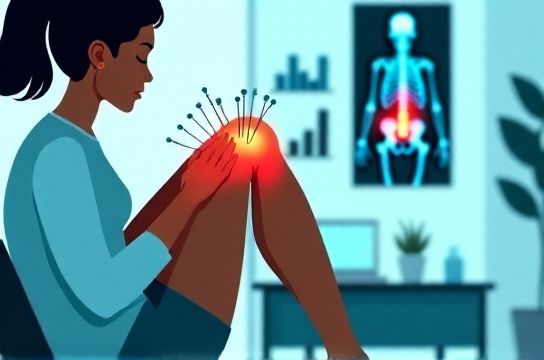
Why Acupuncture Is Gaining Ground in Pain Management
Acupuncture isn’t new—it’s been used in traditional Chinese medicine for over 2,500 years. But modern research is now catching up. Multiple clinical studies show acupuncture can significantly reduce chronic joint pain, especially in the knees, hips, and hands.
A 2022 meta-analysis published in JAMA Network Open reviewed 39 randomized controlled trials involving over 20,000 patients. The conclusion? Acupuncture provided moderate, long-lasting pain relief for osteoarthritis patients—better than sham treatments and often outperforming standard drug therapies when it came to side effects.
How Does It Work? The Science Behind the Needles
While ancient texts talk about balancing “qi,” modern science explains acupuncture’s effect through neurology. Inserting fine needles into specific points stimulates nerves, muscles, and connective tissue. This boosts blood flow and triggers the release of endorphins—the body’s natural painkillers.
Functional MRI studies show acupuncture activates brain regions involved in pain processing. It also reduces inflammatory markers like TNF-α and IL-6, which are elevated in arthritic joints.
Real Results: What Patients Experience
Still skeptical? Check out this summary of patient-reported outcomes from a 12-week acupuncture trial on knee osteoarthritis:
| Outcome Measure | Before Treatment | After 12 Weeks | Change (%) |
|---|---|---|---|
| Average Pain Score (0–10) | 7.1 | 3.4 | -52% |
| Stiffness Duration (min/day) | 48 | 22 | -54% |
| Walking Difficulty (scale 1–5) | 4.0 | 2.1 | -48% |
| Medication Use (days/week) | 5.6 | 2.3 | -59% |
That’s not just statistically significant—it’s life-changing for many. And unlike NSAIDs, which can damage your gut and kidneys over time, acupuncture has minimal side effects when performed by a licensed practitioner.
What to Expect During a Session
Your first visit usually lasts 60–90 minutes. The acupuncturist will assess your medical history and focus on your joint issues. Most patients feel only a slight prick—many even fall asleep during treatment!
Treatments typically start weekly for 4–6 weeks, then taper off. Many clinics now integrate acupuncture with physical therapy for enhanced joint pain relief.
Choosing the Right Practitioner Matters
Not all acupuncture is equal. Look for someone licensed by the NCCAOM (National Certification Commission for Acupuncture and Oriental Medicine). Bonus points if they specialize in musculoskeletal or evidence based pain relief therapy.
Also, check if your insurance covers it—more plans do now thanks to growing evidence. Medicare Part B covers up to 12 sessions per year for chronic low back pain, setting a precedent others may follow.
The Bottom Line
Acupuncture isn’t a miracle cure, but it’s one of the most well-supported non-drug therapies for joint pain today. With solid research, real patient benefits, and a strong safety profile, it’s worth considering—especially if pills aren’t cutting it anymore.