Understanding Meridian Theory Behind How Acupuncture Works
- 时间:
- 浏览:98
- 来源:TCM1st
If you’ve ever wondered how acupuncture works, you’re not alone. This ancient healing practice has been used for over 2,500 years—and today, it’s gaining serious traction in Western medicine. But what’s the science (or philosophy) behind it? Let’s break down the meridian theory and explain why so many people swear by this holistic approach.
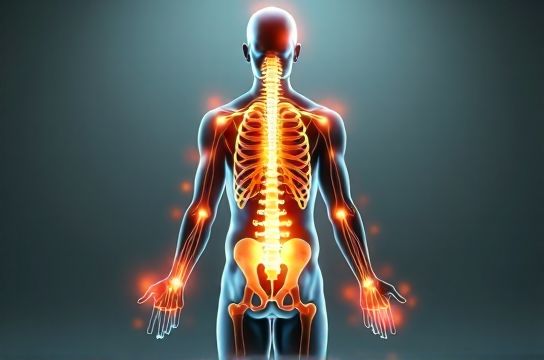
What Are Meridians? The Core of Acupuncture
In traditional Chinese medicine (TCM), your body isn’t just a collection of organs—it’s an energetic network. At the heart of this system are meridians: invisible pathways that carry qi (pronounced “chee”), or vital energy. Think of them like highways for energy flow. When qi moves smoothly, you feel balanced and healthy. When it’s blocked? That’s where pain, stress, or illness can kick in.
There are 12 primary meridians, each linked to a major organ system. For example:
| Meridian | Associated Organ | Common Issues Addressed |
|---|---|---|
| Lung | Lungs | Respiratory issues, fatigue |
| Heart | Heart | Anxiety, insomnia |
| Stomach | Stomach | Digestive problems, nausea |
| Bladder | Bladder/Kidneys | Back pain, urinary issues |
| Pericardium | Heart protector | Emotional imbalances |
Acupuncturists insert fine needles into specific points along these meridians—over 360 recognized points in total—to unblock qi and restore balance.
Does It Actually Work? The Evidence
You might be skeptical—and that’s fair. But research backs up many of acupuncture’s benefits. According to a meta-analysis published in JAMA Internal Medicine, acupuncture is effective for chronic pain, including back pain, neck pain, and osteoarthritis. Patients reported a 50%+ improvement in symptoms compared to control groups.
Another study from the National Institutes of Health found that acupuncture can reduce the frequency of tension headaches by nearly 40%. And when it comes to stress and anxiety? Functional MRI scans show that acupuncture influences brain regions involved in emotional regulation.
Why Modern Science Is Catching On
Western doctors once dismissed meridians as mythical—but now, some researchers believe they may align with connective tissue planes or neurological pathways. One emerging theory suggests that acupuncture points have higher electrical conductivity, making them biologically distinct.
Plus, acupuncture is low-risk and drug-free. The World Health Organization recognizes it as a valid treatment for over 100 conditions—from allergies to chemotherapy-induced nausea.
Still, results vary. Some people feel relief after one session; others need 6–8 visits. Consistency matters. As I always tell my clients: “It’s like going to the gym for your nervous system.”
Final Thoughts: Is Acupuncture Right for You?
If you're exploring natural ways to manage pain or stress, understanding the meridian theory behind how acupuncture works can help you make an informed choice. It’s not magic—it’s a system rooted in observation, tradition, and increasingly, science.
Always see a licensed practitioner, especially one certified by the NCCAOM (National Certification Commission for Acupuncture and Oriental Medicine). And remember: while acupuncture won’t replace emergency care or surgery, it’s a powerful tool for long-term wellness.