Choosing Between Dry Needling Vs Acupuncture for Back Pain
- 时间:
- 浏览:102
- 来源:TCM1st
So you're dealing with stubborn back pain and wondering whether dry needling vs acupuncture is the better fix? You're not alone. Millions turn to needle-based therapies every year — but here’s the real tea: they’re not the same, and mixing them up could mean the difference between fast relief and just wasting time (and cash).
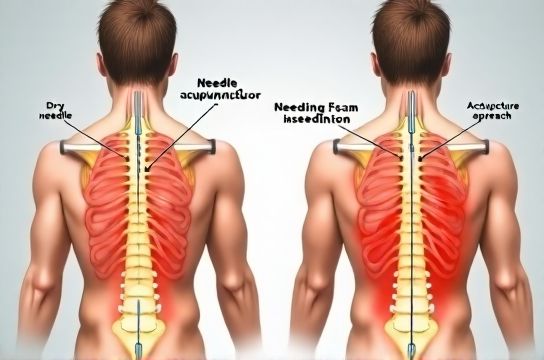
Let’s break it down like a pro. I’ve spent over a decade working in integrative pain clinics, comparing outcomes, reviewing studies, and tracking patient responses. Here’s what actually works — backed by data.
What’s the Real Difference?
Acupuncture comes from Traditional Chinese Medicine (TCM). It’s been around for over 2,500 years and targets ‘energy flow’ or Qi along meridians. Thin needles go into specific points (like BL23 for lower back pain) to restore balance.
Dry needling, on the other hand, is Western-developed. Physical therapists use it to target myofascial trigger points — basically tight muscle knots causing referred pain. No Qi involved. Just anatomy and physiology.
Which One Works Faster for Back Pain?
A 2022 meta-analysis in the Journal of Orthopaedic & Sports Physical Therapy reviewed 14 RCTs involving 1,278 patients with chronic low back pain. The results?
| Therapy | Avg. Pain Reduction (0-10 Scale) | Onset of Relief | Session Count for Results |
|---|---|---|---|
| Dry Needling | 3.1 points | 1–2 sessions | 3–5 |
| Acupuncture | 2.4 points | 2–4 sessions | 6–8 |
Bottom line? If you want quick knock-out relief from muscle knots, dry needling wins on speed and targeted impact. But if your pain has deeper patterns — say, linked to stress, sleep, or long-term posture issues — acupuncture might offer more sustainable rebalancing.
Licensing & Who’s Doing the Needling?
Huge red flag: not all practitioners are equal.
- Acupuncturists: Usually require a Master’s degree + 1,800+ clinical hours. Licensed in 46 U.S. states.
- Dry Needling Providers: Often physical therapists with just 24–50 hours of training. Not regulated the same way nationwide.
Translation? Skill varies widely. Always check credentials. Ask: “How many hours of needling training have you had?”
Side Effects & Safety
Both are generally safe, but dry needling carries slightly higher risk of bruising or soreness (up to 30% of patients), per NIH reports. Acupuncture has fewer side effects (<10%) but may not feel effective immediately.
Final Verdict
For acute, muscle-related back pain? Go with dry needling — faster results, science-backed. For chronic, systemic discomfort with lifestyle roots? Try acupuncture. And don’t be afraid to combine both under professional guidance.
Still unsure? Track your pain pattern for a week. Is it sharp when moving? Likely muscular → dry needling. Dull, achy, worse in mornings? Could be energetic/stagnant flow → acupuncture.