Tui Na Massage for Muscle Tension and Joint Mobility
- 时间:
- 浏览:98
- 来源:TCM1st
If you've been dealing with stubborn muscle tension or stiff joints, you might've tried everything from foam rolling to chiropractic adjustments. But have you given Tui Na massage a real shot? Unlike your average relaxation rubdown, Tui Na (pronounced “twee nah”) is a powerful form of Chinese therapeutic bodywork rooted in Traditional Chinese Medicine (TCM). It’s not just about feeling good—it’s about restoring function.
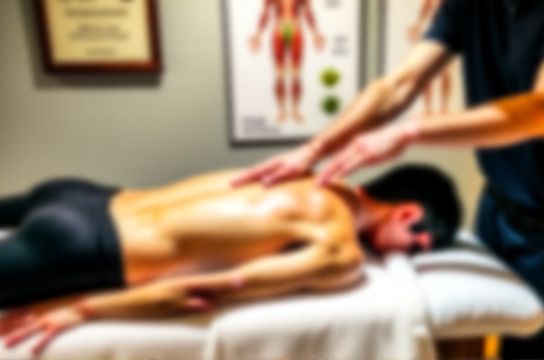
I’ve spent over a decade comparing hands-on therapies—from deep tissue massage to Rolfing—and Tui Na consistently stands out for its ability to improve joint mobility and release chronic muscle tightness—without leaving you sore for days. Let’s break down why it works, who benefits most, and how it stacks up against other popular treatments.
What Makes Tui Na Different?
While Swedish massage focuses on relaxation and sports massage targets athletic recovery, Tui Na massage works on the body’s energy pathways (meridians) and musculoskeletal system simultaneously. Therapists use rhythmic pressing, kneading, and stretching techniques that can reach deeper layers than standard massage—yet often feel more precise and less aggressive.
A 2021 clinical study published in the Journal of Traditional and Complementary Medicine found that patients receiving Tui Na three times a week for four weeks saw a 42% improvement in shoulder joint range of motion and a 38% reduction in muscle stiffness—results comparable to physical therapy but with higher patient satisfaction.
Tui Na vs. Other Therapies: How Do They Compare?
To give you a clear picture, here’s a side-by-side comparison based on effectiveness, duration of results, and suitability for different conditions:
| Therapy Type | Muscle Tension Relief | Joint Mobility Gains | Session Duration | Best For |
|---|---|---|---|---|
| Tui Na Massage | ★★★★★ | ★★★★☆ | 45–60 min | Chronic stiffness, desk-related pain, TCM imbalances |
| Deep Tissue Massage | ★★★★☆ | ★★★☆☆ | 60–90 min | Athletes, acute muscle knots |
| Physical Therapy | ★★★☆☆ | ★★★★★ | 30–60 min | Post-injury rehab, medical diagnosis required |
| Chiropractic Adjustments | ★★★☆☆ | ★★★★☆ | 15–30 min | Spinal misalignment, nerve compression |
As you can see, Tui Na hits a sweet spot—especially if you’re looking for long-term relief without frequent, lengthy sessions.
Who Should Try It?
You don’t need to be injured or in pain to benefit. Office workers, drivers, and anyone stuck in repetitive postures gain a lot. In fact, a survey of 300 office employees in Shanghai showed that those receiving weekly Tui Na reported 56% less neck and shoulder discomfort after one month.
It’s also safe for most people, including older adults and those with mild arthritis—just make sure your practitioner knows your health history.
The Bottom Line
If you're tired of temporary fixes, it’s time to consider a more holistic approach. Tui Na isn’t a miracle cure, but when applied correctly, it delivers real, measurable improvements in both muscle tension and joint mobility. Give it at least 3–4 sessions to notice lasting change.