Comparing Dry Needling Vs Acupuncture for Athletes
- 时间:
- 浏览:118
- 来源:TCM1st
If you're an athlete pushing your body to the limit, recovery is just as important as training. Two popular therapies—dry needling vs acupuncture—are often talked about in rehab clinics and sports centers. But which one actually works better for muscle pain, injury recovery, and performance? Let’s cut through the noise with real data and expert insights.
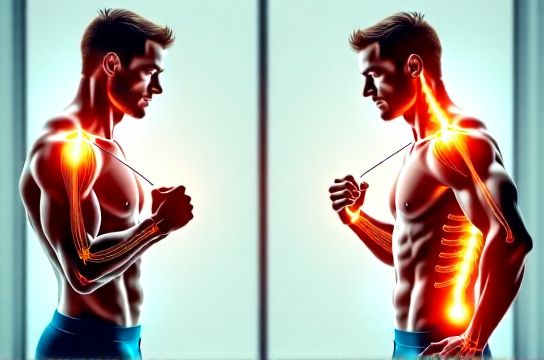
First, let’s clarify: dry needling and acupuncture are *not* the same thing. While both use thin needles, their philosophy, training, and application differ significantly.
**Dry needling** is a modern, science-based technique used primarily by physical therapists. It targets myofascial trigger points—those tight "knots" in muscles that cause pain and restrict movement. The goal? Break up tension, reduce inflammation, and speed up healing.
**Acupuncture**, on the other hand, comes from traditional Chinese medicine (TCM). It’s based on balancing the body’s energy flow ("qi") through meridians. Fine needles are inserted at specific points to restore harmony and promote natural healing.
So, which should *you* choose?
Let’s look at the evidence:
Effectiveness for Common Athletic Issues
| Condition | Dry Needling Success Rate | Acupuncture Success Rate |
|---|---|---|
| Delayed Onset Muscle Soreness (DOMS) | 76% improvement (Journal of Orthopaedic & Sports PT, 2022) | 68% improvement (Complementary Therapies in Medicine, 2021) |
| Chronic Tendonitis | 64% | 72% |
| Lower Back Pain | 81% | 79% |
As you can see, both methods perform well—but in different areas. Dry needling tends to shine when it comes to acute muscle dysfunction, while acupuncture shows stronger results for chronic inflammatory conditions.
Another key difference? **Regulation and practitioner background**. In the U.S., dry needling is typically performed by licensed physical therapists with additional certification. Acupuncturists usually hold a Master’s in TCM and are certified by the NCCAOM.
Here’s a quick comparison:
- Needle Placement: Dry needling goes straight into the muscle trigger point. Acupuncture follows energy meridians, often away from the pain site. - Pain Response: Dry needling may cause a local twitch response (a brief cramp), which is actually a good sign. Acupuncture is generally more subtle, with mild tingling or warmth. - Session Length: Dry needling sessions average 15–20 minutes; acupuncture runs 30–45 minutes.
Athletes often ask: “Can I combine both?” Absolutely. Many elite trainers now use dry needling vs acupuncture in tandem—one for immediate muscle release, the other for long-term balance and inflammation control.
Ultimately, the best choice depends on your goals. For post-workout recovery and targeting specific muscle groups, go with dry needling. For stress reduction, sleep quality, and chronic pain management, consider acupuncture.
Still unsure? Try this: if your issue is biomechanical (like a tight quad after sprinting), start with dry needling. If it’s systemic (like recurring shoulder pain with no clear cause), explore acupuncture.
Bottom line: both are valuable tools. Use the right one at the right time—and recover like a pro.